

[Disclaimer: This article is for informational purposes only and not a substitute for medical advice. The legality status of tanning peptides varies among countries. Consult a medical professional before considering their use, and have a personalized dosage regimen tailored to your health and tanning goals.]
Do you want a sun-kissed tan without using solariums or fake sprays?
Well, you can get a deep bronze glow without hours of sun exposure. While solariums or sun beds accelerate tanning, they also carry a severe risk of skin aging and cancer.
The solution?
Melanotan peptides. These are tanning agents that naturally darken the skin without needing artificial UV rays.
In this article, we’ll delve into the features of the best peptides for tanning, their action mechanisms, benefits, side effects, and safety aspects.
So, without further ado, let’s get started!

TL;DR – What Peptide Makes You Tan?
The following are the most commonly used peptides for skin tanning:
| Melanotan 1 (MT1) | Melanotan 2 (MT2) |
| MT1 is less potent than MT2. Holds tanning potential without needing sun exposure. Holds less risk of side effects. | MT2 is more potent than MT1. Shows tanning but needs a little sun exposure for better results. Holds a high risk of severe side effects. |
How Do Tanning Peptides Work?
According to the American Academy of Dermatology Association, sun lamps, tanning beds, and tanning booths hold serious safety risks.
The scientists further reported that indoor tanning can escalate the risk of skin cancer. Indoor tanning increases the risk of two of the most widespread skin cancers: basal cell carcinoma by 24% and squamous cell carcinoma by 58%.
Melanotan 1 (MT1) and Melanotan 2 (MT2) are the most commonly used tanning peptides (also called injectable tanning agents).
The melanotan peptides are lab-made versions of the naturally occurring hormone α-MSH (alpha-melanocyte-stimulating hormone). These peptides bind to melanocortin receptors in the body to increase melanin. Melanin provides pigmentation to the skin, eyes, and hair color.
Benefits of Using Peptides for Tanning
Tanning beds carry the risk of premature aging and skin cancers due to overexposure to UV rays.
Here’s why tanning peptides are better than traditional tanning methods:
- Safer Alternative: Tanning peptides promote the natural production of melanin with minimal sun exposure. Melanin, in turn, decreases the penetration of rays into the skin and reduces the risk of skin disorders (including skin cancer or DNA damage) associated with the use of tanning beds.
- Protection from Sunburns: Melanotan peptides protect the skin against sunburns by increasing melanin. Since peptide users do not rely on UV exposure for tanning, the chances of skin injuries are significantly reduced.
- Long-Lasting Tan: Peptides cause more long-lasting and uniform tanning. These compounds work on the skin chemistry to show pigmentation that does not fade as quickly as other traditional tanning methods.
- Convenience and Safety: Tanning peptides can be used at home. Therefore, you do not need to spend hours in the sun or tanning salons. Also, no healing period is needed since the peptides do their magic internally without damaging the skin.
Remember, these peptides do not eliminate the need for sunscreen. Avoid overconsumption of sun by wearing protective clothing and seeking shade. Half an hour of sun exposure is enough to accelerate the peptide tanning.
Tip: To strengthen your skin barrier and improve elasticity, explore the list of anti-aging peptides that actually work. Additionally, use these anti-aging peptides to reduce wrinkles and breakouts on your skin.
Additional Benefits
Besides tanning, these peptides show a few additional benefits, as given below:
- Appetite-Suppressing Role: In a preclinical study published in the Canadian Journal of Physiology and Pharmacology, MT2 administration suppressed appetite in rats by reducing calorie intake. Low-calorie intake accelerated weight loss.
- Stimulates Fat Loss: According to preclinical research published in The Journal of Pharmacology and Experimental Therapeutics, MT2 treatment reduced visceral and subcutaneous fat in the mice fed with a high-fat diet.
- Erectile Dysfunction and Libido: According to a study published in the International Journal of Impotence Research, MT2 treatment alleviated erectile dysfunctions and increased erections in 85% of males.
- Female Libido and Sexual Health: In a preclinical study published in Pharmacology, Biochemistry, and Behavior, treating female rats with MT2 and hormones (like progesterone and estradiol benzoate) enhanced their libido and sexual actions.

3 Best Peptides for Tanning
Here are the 3 best peptides for tanning:
1. Melanotan 2 (MT2)
MT2 is also called the “Barbie Drug” due to its potential tanning role for the skin. It activates the MC1 receptor and stimulates melanin synthesis by acting on melanocytes (melanin-producing cells) in the skin. The entire process is called melanogenesis.
By increasing melanin synthesis, MT2 provides a deep bronze tan to the skin. In a clinical study published in the Life Sciences journal, MT2 was subcutaneously injected into the participants daily from Monday to Friday for two weeks.
Study results showed that MT2 injections:
- Tanned the bodies of the participants
- Darkened the forehead, cheeks, anterior leg, neck, buttock, and forearm prominently
However, the subjects faced mild nausea, stretching and yawning, and spontaneous erections intermittently for 1-5 hours after MT2 administration.
MT2 binds with multiple melanocortin receptors (MC1, MC3, MC4, and MC5) and performs various functions in the body. So, besides tanning, the peptide enhances sexual functions, suppresses appetite, and reduces inflammation.
Additionally, MT2 has photoprotective effects. The more melanin it produces, the more it aids in preventing skin damage from UV rays.
User experiences:
I love melanotan II – it works great for me. I never have tanned and taking this just a few times and I’m darker than most people around me.
Used this product for 5 years. I am normally lilly white, I now tan beautifully. Side effects wear off pretty quick! My moles did darken but I actually like it! Highly recommend!
I just restarted MT2 after a few years of not using it. Definitely had a slight headache the first day but 3 days later I’m already darker And I put lots of SPF on my face and hands also.
According to anecdotal evidence, this skin-tanning peptide (MT2) is approximately 1000 times more potent than the naturally-occurring α-MSH.
Third-Party Tested, 99% Purity
Order lab-verified peptides from our top recommended vendor.
2. Melanotan 1 (MT1)
Melanotan 1 (aka afamelanotide) is a sunless tanning peptide that targets the melanocortin-1 (MC1) receptor in the skin cells. This process increases melanin synthesis and naturally darkens the skin. Melanin also works as a natural sunblock, absorbing UV rays and reducing its damaging effects.
Therefore, this peptide is best for fair-skinned people who are more susceptible to sunburn and skin damage. A clinical study published in the Archives of Dermatology reported that MT1 aids in decreasing sunburn risk and protects the skin.
According to the study findings, MT1 therapy:
- Showed 47% fewer sunburn cells than those without MT1 treatment
- Works well with less sunlight and tans the skin with low sun exposure
M1-1 is proven to be well-tolerated. However, a few subjects faced mild and temporary nausea and facial flushing.
Due to its minimal side effects, MT1 is investigated to also treat multiple skin conditions, as shown below:
- Erythropoietic Protoporphyria: The FDA has approved the Scenesse drug (aka MT1) for painful photosensitivity to sunlight, called erythropoietic protoporphyria (EPP). The approval was based on results from three clinical trials of 244 patients with this photosensitivity.
EPP is caused by an enzyme deficiency, which leads to the buildup of protoporphyrin in the blood and skin. Protoporphyrin absorbs UV rays, damaging the skin and causing scarring and instant pain.
According to a study published in the Expert Review of Clinical Pharmacology, MT1 increases melanin in the skin (that absorbs UV rays) and mitigates pain and scarring in EPP patients.
- Polymorphic light eruption: In polymorphic light eruption, those with sunlight sensitivity get rashes after sun exposure (especially in early summer or spring) due to immune abnormality. A clinical trial suggested that MT1 treatment may decrease rash severity in people with this condition.
- Acne vulgaris: A small-scale research published in the Journal of the European Academy of Dermatology and Venereology checked the effect of MT1 (afamelanotide) in patients with mild-to-moderate facial acne vulgaris.
The study results showed that MT1:
- Decreased the inflammatory acne lesions
- Reduced the papules, pustules, and nodules on the face
It was revealed that afamelanotide shows anti-inflammatory potential in patients with acne vulgaris. The participants showed no severe side effects except short-term and mild fatigue in a single patient.
A study on MT2 published in the Life Sciences journal suggested that MT1 is preferred over MT2 for tanning due to less risk of side effects.
User experience after using Melanotan 1:
I think MT1 is my favorite. I generally take 250 MCG twice a week primarily for the increased consciousness, but get nice complexion effects too that I’m happy with.
Note: MT1 is a peptide that makes you tan without the need for sun exposure, while MT2 needs sun exposure to show its magic. However, we would suggest you bask in the sun for 30-40 minutes, regardless of the tanning peptide type, to allow the skin to darken naturally.
3. PT-141 (Bremelanotide)
PT-141 is developed from the tanning peptide MT2. Anecdotal evidence suggests that the high doses or long-term use of PT-141 darkens the skin. However, skin pigmentation is not its primary benefit.
A study published in the International Journal of Molecular Sciences indicated that MC1R (a protein on skin cells) controls skin pigmentation by increasing melanin production. PT-141 acts as an MC1R agonist, causing skin cells to produce more melanin, which may increase skin tanning.
According to a clinical study published in the International Journal of Impotence Research, a low dosage of PT-141 primarily influences sexual health. Therefore, PT-141 is among the top peptides for libido. People use PT-141 to enhance arousal and improve reproductive issues like erectile dysfunction.
Premenopausal women particularly face issues with their partner due to their hypoactive sexual desire disorder. PT-141 peptide is one of the best peptides for women as it activates certain pathways in the brain and increases their libido.
Furthermore, PT-141 (one of the top peptides for menopause) improves their declining libido. That said, PT-141 is not the best tanning peptide. It rather tans the skin only as an additional benefit.
To sum it up: Melanotan peptides are the best tanning peptides, while the PT-141 peptide is less potential.
Tanning Injections Before and After Comparison
Tanning peptides gradually darken the skin due to melanin production. Below is a comparison of changes in skin tone before and after using tanning injections:
| Aspect | Before Peptide Injections | After Peptide Injections |
| Skin Tone | Natural, fair, or pale | Gradual darkening, even and sun-kissed tan |
| Sun Exposure | High sun exposure required for tanning | Less sun exposure is needed to tan |
| Time to Notice Tan | Depends on sun exposure (among other things) | 2-4 weeks with regular usage |
Note: Keep your skin moisturized while using tanning peptides and getting (minimal) sun exposure, as moist skin is better at retaining the tan than dry skin.
Tanning Peptide Side Effects and Risks
According to the clinical research (on MT1) published in the Archives of Dermatology and the study on MT2 published in the Life Sciences journal linked above, the tanning peptides can cause side effects, such as:
- Nausea
- Dizziness
- Fatigue
- Facial flushing
Also, these peptides may cause loss of appetite or headache in some. However, these side effects are temporary and subside on their own. So they don’t usually need medical attention.
MT2-Induced Side Effects
According to the clinical study published in the Life Sciences journal, the administration of MT2 for tanning purposes induced multiple side effects, including:
- Spontaneous and painful erections
- Stretching
- Yawning
Unwanted Pigmentation
Melanotan peptides hardly irritate the injected area and carry less chance of swelling, bleeding, or redness.
However, a study published in The British Journal of Dermatology reported unwanted hyperpigmentation and the appearance of moles due to melanotan use.
Anecdotal evidence revealed that tanning peptides may produce freckles and darken moles, dark circles, iris, or facial hair in a few users. However, these effects subside soon after you stop using the peptide.
Another report published in the Journal of the European Academy of Dermatology and Venereology indicated that MT1 may cause nail darkening due to increased melanin.

Melanoma Risk
Furthermore, a study published in the Dermatology journal indicated that MT2 holds the risk of causing melanoma (a type of skin cancer) in rare cases. Prolonged exposure to UV radiation is one of the main reasons for melanoma.
Therefore, you must avoid melanotan use for tanning if you have a family history of skin cancers.
Take Medical Help: If you experience heart palpitations, high blood pressure, or severe allergy, consult a medical professional. Also, be informed about all possible side effects before choosing these tanning therapies.

How to Safely Use Peptide for Tanning
There is no specific tanning peptide dosage for all. Melanotan dosage depends on multiple factors, including skin type, body weight, and desired tanning level. So choose what works best for you.
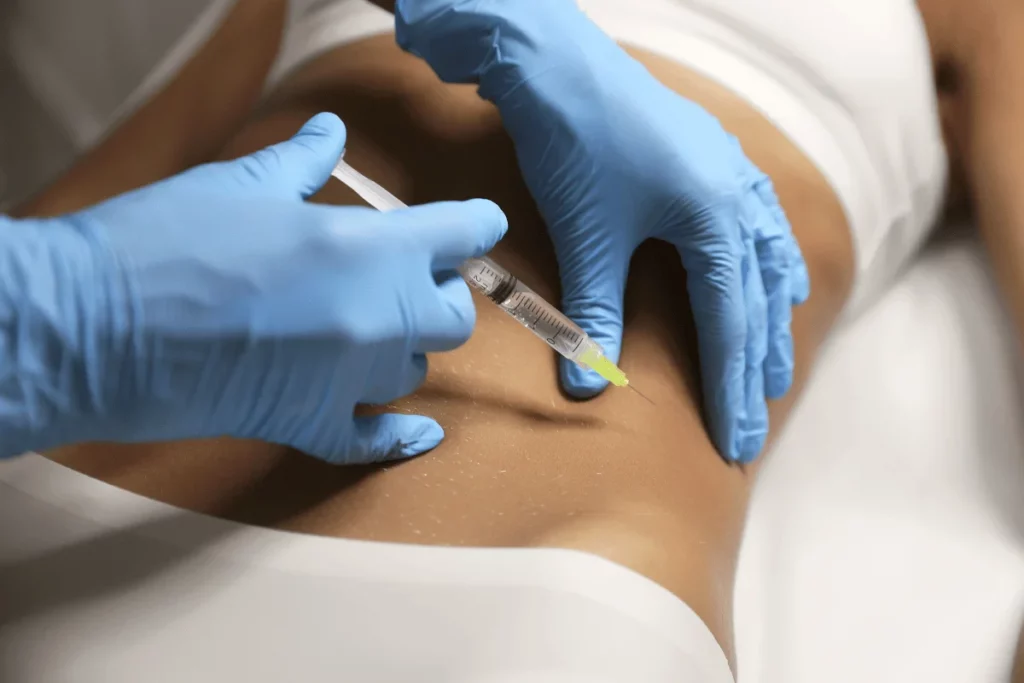
For best results, melanotan injections (including MT1 and MT2) are administered through the subcutaneous (under the skin) route.
Following are the suggested doses for injectable tanning peptides:
Dose for Melanotan 1 (MT1) Tanning Peptide Injection
Here are a few dosing options for MT1 injections (based on anecdotal evidence):
Option 1:
- Take 1 mg of MT1 every day for 1-10 days.
- Then, take 2 mg/week (through 1-2 injections) from day 11 until 6 months.
Option 2:
- Take 0.25 mg of MT1 in the morning 1-2 times per week.
Option 3:
- Take 0.5 mg of MT1 twice per day.
- Next, increase the daily MT1 dose to 1.5 per mg by the 3rd/4th day and stop after one week.
Dose for Melanotan 2 (MT2) Tanning Peptide Injection
Here are a few suggested dosage regimens for MT2 injections:
Option 1:
- Take 0.25-0.5 mg of MT2 once a day
- After a few days, increase the everyday dose from 0.5 mg to 1 mg.
Option 2:
- Take 0.5 mg of MT2 daily for a week.
- Then, reduce the dose to 0.25 mg twice a week.
Option 3:
- Inject 0.25 mg of MT2 at night 1-2 times a week.
Option 4:
- In the loading phase, take 0.5 mg of MT2 twice daily for the first 3-4 days.
- After that, increase the daily dose to 1.5 mg daily for a week before stopping.
Note: It is recommended to continue the treatment for 8 months a year to darken the skin and maintain the tanning.
Nasal Sprays: In addition to injectable tanning peptides, a few users choose to inhale tanning peptides through nasal sprays. Nasal sprays are more convenient than injections, but injections offer the highest bioavailability.
Reconstitution of Melanotan Peptides
Melanotan peptides are available in lyophilized (powdered) form for injections. Like other lyophilized peptides, you must reconstitute (mix) them in bacteriostatic water, which is made of sterile water and a preservative (benzyl alcohol).
Benzyl alcohol prevents bacterial growth and lets it stay fresh in the fridge. However, you must learn how to reconstitute peptides to ensure precision and safe administration.
Important Considerations
Keep these critical points in mind to ensure the safety and effectiveness of skin tanning peptides:
- Avoid Overexposure to the Sun: It is best to have 30 minutes of daily sun exposure to let the tanning peptides do their magic. However, you must apply sunscreen and avoid overexposing the skin to the sun for prolonged durations.
- Avoid in Medical Conditions: Avoid MT2 use if you have liver or kidney disorders, an allergy to melanotan, or a history of melanoma or other skin cancers.
- Avoid in Pregnancy or Breastfeeding: Melanotan safety is not yet established for pregnant or lactating women. So, to be on the safe side, avoid using tanning peptides in these conditions.
- Avoid Other Skin Treatments: Tanning peptides influence skin response and sensitivity. So, avoid other skin treatments (like laser therapy, micro-needling, or chemical peels) while taking melanotan tanning therapy.
Combining tanning peptides with other skin treatments could complicate the healing process, increase the risk of scarring, and produce unpredictable results.
- Alternate Tanning Options: If you are allergic to tanning peptides, you can consider alternate tanning options, like self-tanning sprays or lotions. Avoid tanning beds, as they release harmful UV rays that can increase your risk of melanoma.
Additionally, it is essential to follow standard safety protocols and avoid overconsumption to ensure safety.

Frequently Asked Questions (FAQs)
Find the answers to your frequently asked questions regarding tanning peptides below:
Are Tanning Peptides Legal?
Melanotan’s legal status differs across countries. MT2 use is investigated for its role in mitigating sexual conditions. However, the US Food and Drug Administration (FDA) does not approve it for use as a tanning compound.
However, the FDA has approved the usage of MT1 (sunless tanning peptide) to alleviate the painful photosensitivity to sunlight (called erythropoietic protoporphyria).
How Long Does a Tanning Peptide Take to Work?
It depends on the dosage used, maintenance, and the individual’s skin type. That said, you may notice results of tanning peptides within 1-4 weeks.
Also, the darkening effect of melanotan peptides varies among individuals. For some, tanning may last a long time. For others, the tanning effect may cease once they stop using the peptide. For others, the tanning effect may cease once they stop using the peptide.
So, for sustainable results, the individuals may need an on-and-off treatment cycle.
What Happens If You Take Too Much Melanotan?
According to a case report, 6 mg (six times more dosage than the recommended range) of MT2 injection in an individual increased creatine phosphokinase levels and caused extreme muscle aches due to muscle damage.
According to another study published in the Clinical Toxicology journal, MT2 overdosing may cause symptoms similar to those produced by the stimulation of the sympathetic nervous system—anxiety, high heart rate and blood pressure, and sweating.
Additionally, its high dosage could result in rhabdomyolysis, where muscle tissues break down and release muscle fibers into the blood, leading to kidney impairment.
In short, M2 is more potent and provides more tanning than MT1. However, its potential tanning benefit comes with more risks of side effects, especially at high doses. On the other hand, MT1 shows minimal side effects.
Where Can I Buy Peptide Tanning Products Safely?
You need to buy peptides from a supplier selling only USA-manufactured peptides. Peptides should also undergo third-party testing to ensure purity. Ensure that the peptides or bioregulators are manufactured using Good Manufacturing Practices (GMP) and advanced sanitization protocols to keep products contamination-free.
Biolongevity Labs follows all such safety standards and protocols to deliver top-quality pharmaceutical-grade (>99% purity) peptides. They also provide free shipping on all US orders over $300.
Conclusion
Selecting the right melanotan peptide depends on your goals, health status, and tolerance for potential risks. While melanotan peptides have shown tanning potential with minimal sun exposure, be aware of their side effects.
According to research, MT1 is less potent than MT2. However, it has fewer side effects and is cheaper than M2. In comparison, MT2 causes painful erections in men and increases the risk of melanoma.
We suggest you prioritize safety and go for the less risky option. While the trend of tanning peptides is growing in the USA, you must consult a medical professional before using them.