


This article is for informational purposes only and does not constitute medical advice. Always consult with a qualified healthcare provider before considering any peptide therapy.
The combination of BPC-157 and TB-500—often informally referred to as the “Wolverine stack”—has attracted attention as a potential strategy to accelerate tissue repair and recovery following injury. These synthetic peptides are proposed to act through complementary biological mechanisms that may support healing, reduce inflammation, and influence tissue regeneration.
BPC-157, a 15-amino acid peptide originally derived from a partial sequence of a gastric juice protein, has demonstrated in preclinical models activation of the FAK-paxillin pathway and enhancement of angiogenesis. TB-500, a synthetic fragment of thymosin beta-4, is implicated in actin cytoskeletal regulations and has been shown to support cellular migration in experimental settings. While these peptides are proposed to influence complementary biological pathways involved in tissue repair, evidence supporting synergistic or combined effects in clinical healing remains limited.
This review examines the available evidence regarding proposed mechanisms of action, dosing strategies reported in the literature, routes of administration, and safety considerations for BPC-157 and TB-500 when used individually or in combination.
Quick Takeaways
- BPC-157 is commonly reported in non-clinical protocols at doses at approximately 250-500 mcg daily, often administered via local injection, whereas TB-500 is typically described at doses of 2-5 mg weekly through systemic routes.
- The peptides are proposed to act through distinct pathways, with BPC-157 reported to activate focal adhesion kinase (FAK)-paxillin signaling, while TB-500 is implicated in the regulation of actin polymerization.
- Combined use protocols, as described in anecdotal and non-peer-reviewed sources, commonly span 8-12 weeks and are often followed by mandatory break periods; however, evidence supporting receptor desensitization in this context is limited.
- Neither peptide is approved by the U.S. Food and Drug Administration (FDA).
- Both peptides carry theoretical concerns regarding cancer promotion based on their involvement in angiogenesis and cell migration pathways, warranting careful consideration.
Understanding BPC-157 and TB-500 Mechanisms
BPC-157 and TB-500 are proposed to operate through distinct yet complementary cellular pathways.
BPC-157 has been reported in preclinical studies to activate focal adhesion kinase (FAK) and paxillin, proteins that regulate cell adhesion, migration, and survival. This signaling has been associated with enhanced fibroblast and endothelial cell movement toward sites of tissue injury.
The peptide has also been shown in animal and in vitro models to stimulate angiogenesis, in part through modulation of vascular endothelial growth factor (VEGF) signaling, including VEGF receptor 2 (VEGFR2). Additionally, BPC-157 has been reported to enhance nitric oxide (NO) production in vascular endothelial cells via the Src-caveolin-1-endothelial nitric oxide synthase (eNOS) pathway, resulting in vasodilation and improved perfusion to damaged tissues.
TB-500 binds monomeric globular actin (G-actin), thereby influencing actin polymerization dynamics and maintaining a pool of unpolymerized actin that facilitates cellular motility and migration, processes essential for wound repair. TB-500 and thymosin beta-4 have also been reported to modulate inflammatory signaling, with reductions in pro-inflammatory cytokines such as tumor necrosis factor-α (TNF-α), interleukin-1β (IL-1β), and interleukin-6 (IL-6), alongside suppression of nuclear factor kappa B (NF-κB) activation in preclinical models.
Preclinical research published in Medical Science Monitor reported that BPC-157 improved the healing of transected quadriceps muscle in rats and mitigated corticosteroid-induced impairment of tissue repair. A study in the Annals of the New York Academy of Sciences found that thymosin beta-4 accelerated dermal wound healing in full-thickness injury models across multiple animal populations, including diabetic and aged mice.
BPC-157 Dosage Protocols
Reported non-clinical dosing ranges for injectable BPC-157 generally span 200 to 1,000 micrograms daily, with 250-500 mcg most frequently cited in anecdotal and preclinical literature. BPC-157 has been administered via subcutaneous, intramuscular, and oral routes in experimental contexts, with each route associated with distinct theoretical advantages and pharmacokinetic considerations.
Injectable BPC-157 Dosing
In non-clinical and experimental use descriptions, subcutaneous administration near the site of injury is commonly reported at doses of 250-500 mcg once or twice daily for 4-6 weeks. Localized injection is theorized to increase peptide exposure at damaged tissue, though direct comparative studies are lacking.
Systemic subcutaneous or intramuscular administration has been described at doses of approximately 200-500 mcg daily, often delivered at sites such as the abdomen, with cycle durations ranging from 2-6 weeks depending on injury severity and response.
Oral BPC-157 Administration
Oral dosing has been reported at approximately 200-500 mcg once or twice daily on an empty stomach for 6-8 weeks. Although oral administration is associated with reduced systemic bioavailability relative to injection, this route has been primarily studied in gastrointestinal models, including gastric ulceration, intestinal inflammation, and mucosal barrier dysfunction.
Cycle Duration and Weight Considerations
Suggested treatment durations vary by application in anecdotal and preclinical reports, with minor to moderate injuries commonly described as requiring 2-4 weeks, while more severe injuries or post-surgical recovery are often extended to 4-6 weeks. Gastrointestinal applications are typically described over 4-6 weeks, whereas neurological or systemic inflammation models have reported durations extending up to 8 weeks.
Body weight-based dosing adjustments are frequently suggested in non-clinical sources, with individuals weighing approximately 125 pounds often described as using 200-400 mcg daily, while those exceeding 180-200 pounds may report dosing ranges from 300-1,000 mcg daily. Notably, BPC-157 dosing is generally described as similar across sexes, as it functions as a signaling molecule rather than a hormone; however, this assumption has not been systematically validated in humans.
Third-Party Tested, 99% Purity
Order lab-verified peptides from our top recommended vendor.
TB-500 Dosage Protocols
Reported non-clinical TB-500 dosing practices are commonly described as following a loading and maintenance structure, a framework intended to account for the peptide’s systemic distribution and tissue exposure characteristics.
Loading Phase Protocol
The loading phase is typically described as spanning weeks 1-4, with reported doses ranging from 4-8 milligrams per week, often divided into two injections per week. For example, non-clinical protocols frequently cite administration of 2-4 mg twice weekly (such as on Monday and Thursday) via subcutaneous or intramuscular routes. This higher initial dosing is theorized to increase tissue exposure and establish sustained peptide activity, though this rationale has not been validated in controlled human studies.
Maintenance Phase Dosing
After the loading period, protocols described in anecdotal and experimental sources transition to maintenance dosing of approximately 2-6 mg per month, commonly administered during weeks 5-8 or longer. This schedule corresponds to approximately one injection every 7-14 days. Some non-clinical sources instead describe a simplified continuous dosing protocol of 2-5 mg weekly, bypassing the loading-maintenance distinction, although comparative data between these strategies are lacking.
Cycle Length and Timing
Total treatment cycles described in non-clinical literature commonly span 8-12 weeks, followed by mandatory break periods of approximately 4-8 weeks. These cycling practices are often justified by theoretical concerns regarding receptor desensitization or immune tolerance, although direct evidence supporting these mechanisms in the context of TB-500 use is limited.
TB-500 has been reported to exhibit a short plasma half-life of approximately 2.5-3 hours following subcutaneous administration, yet may produce long-lasting effects at tissue sites, as suggested by preclinical observations. Administration timing is not generally reported to require fasting or a specific time of day, though some anecdotal protocols recommend evening dosing based on hypothesized alignment with endogenous growth hormone secretion; this practice is not supported by direct evidence.
The Wolverine Stack: Combined Protocol
The combined use of BPC-157 and TB-500 cycle, often informally referred to as the “Wolverine stack,” is described in non-clinical sources as a coordinated protocol intended to leverage their complementary mechanisms of action. In this framework, BPC-157 is typically administered with a localized focus at injury sites, while TB-500 is used systemically to influence cellular migration and inflammation signaling. It should be noted that no controlled studies have directly evaluated the safety or efficacy of this combined approach.
Integrated Dosing Schedule
The standard Wolverine stack typically describes BPC-157 administered at approximately 250-500 mcg once or twice daily, often via localized injection near the site of injury, in combination with TB-500 administered systemically at doses of approximately 2-5 mg weekly. Some anecdotal protocols further describe pulse-style TB-500 loading phases, employing higher doses (approximately 4-8 mg weekly) during weeks 1-4, followed by maintenance doses of approximately 2-6 mg monthly during weeks 5-12, while maintaining consistent daily BPC-157 administration. It should be noted that these combined regimens have not been evaluated in controlled clinical studies.
Expected Timeline and Clinical Progression
Within the first 1-2 weeks, users commonly report reductions in perceived pain and inflammation at injury sites, along with improvements in subjective comfort. These early effects are generally attributed to anti-inflammatory and analgesic signaling rather than structural tissue repair.
Between weeks 2-4, individuals frequently describe improvements in mobility, range of motion, and functional tolerance, which may correspond conceptually to the proliferative phase of tissue repair, characterized by fibroblast activity, extracellular matrix deposition, and angiogenesis.
Between 4-8 weeks, some reports describe functional improvements, including enhanced strength or resolution of chronic discomfort, a timeframe often conceptually aligned with the tissue remodeling processes, during which newly formed tissue matures and gains mechanical integrity. These associations remain theoretical and are not supported by direct human histological evidence.
Reconstitution and Administration
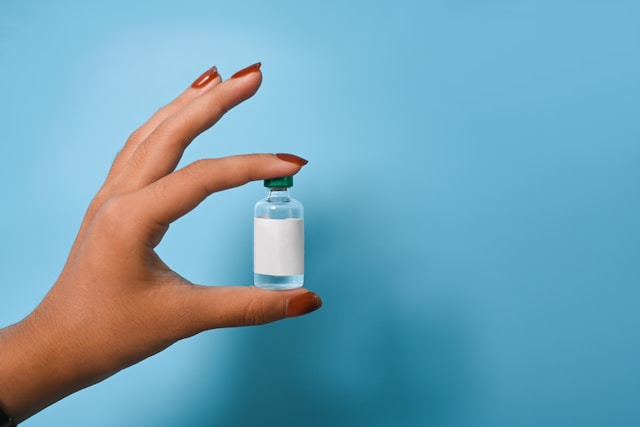
In non-clinical and experimental contexts, both peptides are commonly supplied as lyophilized powders requiring reconstitution with bacteriostatic water prior to administration. Proper handling is emphasized to preserve peptide stability and dosing consistency.
Reconstitution Process
As an illustrative example, a 5 mg BPC-157 vial may be reconstituted with 1 mL of bacteriostatic water to create a nominal 5 mg/mL concentration, while a 10 mg TB-500 vial may be reconstituted with 3 mL of bacteriostatic water, yielding an approximate concentration of 3.3 mg/mL.
Water is typically introduced slowly along the vial wall, often at an oblique angle, to minimize bubble formation. The powder is allowed to dissolve passively rather than shaken, as agitation may compromise peptide stability.
Storage and Stability
Reconstituted peptide solutions are commonly reported to remain stable for approximately 3-4 weeks when stored under refrigeration (approximately 4°C /39°F). Storage at frozen temperatures (e.g., -20°C) has been described as extending stability, though repeated freeze-thaw cycles are widely cautioned against due to peptide degradation. Aliquoting into single-use volumes is often suggested to minimize handling-related degradation.
Injection Technique
Subcutaneous administration is commonly described using fine-gauge needles (approximately 27-30 gauge). Rotation of injection sites is generally recommended in non-clinical sources to reduce the risk of localized irritation, nodules, bruising, or infection. When local administration near injury sites is described, injections are typically placed as close as safely feasible to the affected tissue, although no controlled studies have evaluated whether this practice improves outcomes.
BPC-157 vs TB-500: Key Differences
| Feature | BPC-157 | TB-500 |
|---|---|---|
| Structure | 15 amino acids | 43 amino acids (synthetic fragment of thymosin beta-4) |
| Primary Mechanism | Reported FAK-paxillin activation and modulation of nitric oxide (NO) pathways | Regulation of actin dynamics through binding to monomeric G-actin |
| Typical Dose | 250-500 mcg daily (non-clinical reports) | 2-5 mg weekly (non-clinical reports) |
| Administration | Local or systemic injection; oral administration described in experimental contexts | Systemic injection only |
| Half-Life | Not well characterized in humans | Approximately 2.5-3 hours following subcutaneous administration |
| Best Application | Localized tissue repair and gastrointestinal models | Systemic recovery and widespread injury models |
| Dosing Pattern | Consistent daily administration described | Loading and maintenance phases described in non-clinical protocols |
Safety and Contraindications
Neither BPC-157 nor TB-500 is approved by the U.S. Food and Drug Administration (FDA) for any clinical indication, and both are prohibited by the World Anti-Doping Agency (WADA). This regulatory status reflects the absence of rigorous, large-scale human clinical trials establishing long-term safety and efficacy.
Common Adverse Effects
Reported adverse effects in non-clinical and anecdotal sources are generally described as mild and transient, though systematic human safety data are lacking. BPC-157 has been associated with headache, light-headedness, mild nausea (particularly with oral administration), transient fatigue during early use, appetite changes, and localized injection-site irritation. Reported TB-500 effects include mild fatigue, dizziness, injection-site reactions, transient fluid retention, and occasionally alterations in sleep patterns.
Theoretical Cancer Concerns
The most frequently cited theoretical safety concern relates to the pro-angiogenic and growth-signaling effects of these peptides, which could, in principle, influence tumor development or progression. Both peptides have been reported in preclinical models to interact with pathways involved in angiogenesis, including vascular endothelial growth factor (VEGF)-related signaling, a process commonly implicated in cancer biology due to its role in tumor vascularization and metastasis
BPC-157 has been reported to activate focal adhesion kinase (FAK)-paxillin signaling, pathways that also regulate cell migration, invasion, and survival in oncologic contexts. From a theoretical standpoint, enhancement of these pathways could confer survival or migratory advantages to malignant cells, although this has not been demonstrated in human studies.
Importantly, no definitive human evidence currently demonstrates that BPC-157 or TB-500 causes, promotes, or accelerates cancer development. Accordingly, cancer-related concerns remain theoretical rather than clinically observed. Conservative medical consensus, therefore, suggests avoiding these peptides in individuals with active malignancies or significant cancer risk until more definitive safety data becomes available.
Immune System Considerations
As exogenously administered peptides, repeated exposure may theoretically elicit immune responses, including the development of anti-peptide antibodies that could reduce biological activity, activation of helper T- or B-cell-mediated immune pathways, or potential triggering of autoimmune phenomena in genetically susceptible individuals. These risks remain speculative, as controlled immunogenicity studies in humans have not been conducted.
Contraindications and Precautions
Based on theoretical risk profiles and regulatory status, use of these peptides is generally discouraged in individuals with active or recent malignancy, elevated cancer risk based on family history or genetic testing, known autoimmune disorders, immunosuppression, or pregnancy or lactation. Athletes subject to drug-testing regulations should note that detection of these substances may result in disqualification or sanctions due to WADA prohibition
Some non-clinical sources advocate for baseline health screening prior to experimental peptide use, including age- and risk-appropriate cancer screening. Advanced imaging (such as whole-body MRI) has been suggested in certain contexts, though such measures are not evidence-based requirements and should not be interpreted as standard medical recommendations.
Clinical Evidence Limitations
The current evidence base for BPC-157 and TB-500 is derived predominantly from preclinical animal studies, most commonly conducted in rodent models. Although these studies frequently report accelerated healing of muscle, tendon, and ligament injuries, translation of these findings to human populations remains limited and unproven.
A Phase 1 clinical trial (NCT02637284) reportedly enrolled 42 healthy volunteers to evaluate the safety and pharmacokinetics of oral BPC-157; however, peer-reviewed results from this study have not been published, limiting independent evaluation of its findings.
A small retrospective study evaluated intra-articular BPC-157 injections in 16 participants with knee pain, with 91.6% reporting subjective improvement. However, the lack of placebo controls, randomization, double-blinding, and adequate sample size substantially limits the interpretability and generalizability of these findings.
The substantial gap between encouraging preclinical data and rigorous human clinical validation necessitates cautious interpretation of efficacy claims. Reported responses vary considerably based on injury severity, age, nutritional status, rehabilitation adherence, and potential inter-individual differences in peptide responsiveness, factors that have not been systematically studied.
Frequently Asked Questions: BPC-157 and TB-500
What is the optimal BPC-157 and TB-500 dosage for injury recovery?
No clinically validated or FDA-approved dosing regimen exists for BPC-157 or TB-500. Commonly reported non-clinical protocols describe BPC-157 administered at approximately 250-500 mcg daily, often via localized injection near the site of injury, combined with TB-500 administered at approximately 2-5 mg weekly. Reported cycle durations frequently span 8-12 weeks, followed by break periods of similar length, though these practices are not supported by controlled clinical evidence. Any experimental use should occur only under qualified medical supervision.
Can BPC-157 and TB-500 be taken together safely?
Anecdotal reports and practitioner observations suggest that combined use is generally well-tolerated, but rigorous clinical trials evaluating the safety, efficacy, or risk profile of combined administration are absent. Both peptides carry theoretical concerns related to angiogenesis and growth-signaling pathways, which may compound when used together, particularly in individuals with elevated cancer risk. Accordingly, combined use warrants heightened caution and medical oversight.
How long does it take to see results from the “Wolverine stack”?
Reported timelines are derived primarily from anecdotal accounts rather than controlled clinical outcomes. Some individuals describe reductions in perceived pain or inflammation within 1-2 weeks, followed by functional improvements such as increased mobility or range of motion over subsequent weeks. Others report minimal or no benefit despite completing full experimental protocols. Response timelines vary widely based on injury type, severity, overall health status, and adherence to rehabilitation programs.
Are BPC-157 and TB-500 legal?
Neither peptide is approved by the U.S. Food and Drug Administration (FDA) for any clinical indication in the United States, and both are classified as unapproved drugs that cannot be legally marketed, sold, or prescribed outside authorized FDA pathways. The FDA specifically stated that traditional compounding of BPC-157 is not permitted, citing concerns related to immunogenicity and impurity.
Both peptides are also prohibited by the World Anti-Doping Agency (WADA), rendering their use impermissible in regulated competitive sports. Legal and professional risks may extend to healthcare providers and patients who use or prescribe these substances outside of authorized research protocols.
References
- Pevec D, Novinscak T, Brcic L, et al. Impact of pentadecapeptide BPC 157 on muscle healing impaired by systemic corticosteroid application. Med Sci Monit. 2010;16(3):BR81-88.
- Gwyer D, Wragg NM, Wilson SL. Gastric pentadecapeptide body protection compound BPC 157 and its role in accelerating musculoskeletal soft tissue healing. Cell Tissue Res. 2019;377(2):153-159.
- Treadwell T, Kleinman HK, Crockford D, Hardy MA, Guarnera GT, Goldstein AL. The regenerative peptide thymosin β4 accelerates the rate of dermal wound healing in preclinical animal models and in patients. Ann N Y Acad Sci. 2012;1270:37-44.
- Goldstein AL, Hannappel E, Kleinman HK. Thymosin β4: actin-sequestering protein moonlights to repair injured tissues. Trends Mol Med. 2005;11(9):421-429.
- Chang CH, Tsai WC, Lin MS, Hsu YH, Pang JH. The promoting effect of pentadecapeptide BPC 157 on tendon healing involves tendon outgrowth, cell survival, and cell migration. J Appl Physiol. 2011;110(3):774-780.