


This article is for informational purposes only and does not constitute medical advice. Always consult with a qualified healthcare provider before considering any peptide therapy.
Body protective compound-157 (BPC-157) accelerates wound healing and tissue regeneration through multiple cellular pathways, but clinical data from human studies remains limited, and the compound has yet to receive FDA approval.
BPC-157 has attracted attention from researchers, clinicians, and athletes seeking faster recovery from injuries. This synthetic peptide was first derived from a protective protein found in human gastric juice, and in animal studies, it promotes tissue repair across multiple organ systems.
The peptide activates multiple pivotal cellular pathways linked to healing, including the FAK-paxillin pathway important for cellular migration and the VEGFR2 and nitric oxide signaling pathways that support blood vessel development and function.. Despite its promising preclinical performance, BPC-157 lacks FDA approval and human clinical trials remain scarce.
Quick Takeaways
- BPC-157 is a synthetic peptide originally isolated from human gastric juice that supports tissue repair in animal models
- The compound activates the FAK-paxillin and VEGFR2 signaling pathways to promote cell migration, blood vessel development, and wound closure
- In animal studies, BPC-157 accelerates the healing of damaged tendons, bones, muscles, skin, and gastrointestinal tissues
- Human clinical data remains limited, the FDA has not approved BPC-157, and safety concerns related to potential cancer development warrant careful consideration
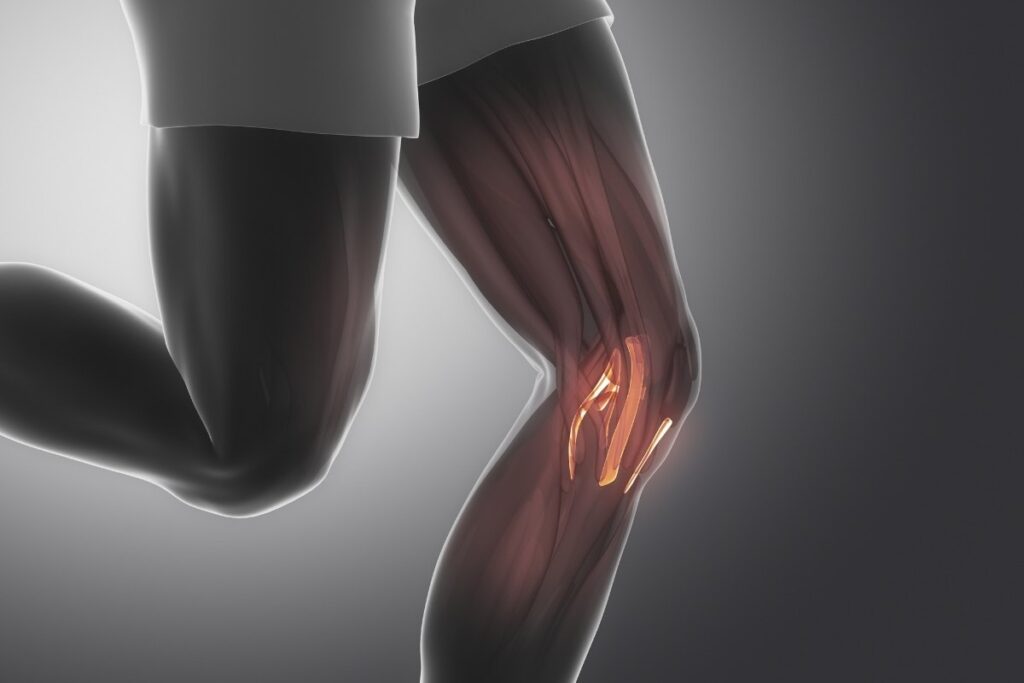
What is BPC-157?
BPC-157 is a peptide consisting of a specific sequence of 15 amino acids originally derived from a naturally occurring compound associated with gastric protection. This origin accounts for the striking stability of this peptide, which can remain intact even in harsh gastric acid environments.
BPC-157 was first synthesized by researchers who were trying to understand and refine the protective and regenerative properties associated with the gastric protein from which it was derived. The peptide goes by several names in the academic literature, including PL 14736, PL-10, and Bepecin.
Chemical Structure and Stability
The unique biological properties of BPC-157 all stem from its amino acid sequence: Gly-Glu-Pro-Pro-Pro-Gly-Lys-Pro-Ala-Asp-Asp-Ala-Gly-Leu-Val. Though far shorter than a full protein, the resulting peptide sequence is what allows BPC-157 to avoid breaking down when exposed to stomach acid. This property is particularly important from a clinical perspective, as it means that taking BPC-157 by mouth while retaining its beneficial health-related effects is possible, though the actual amount of BPC-157 that makes it into the bloodstream in humans by this route remains poorly characterized.
The peptide’s stability sets it apart from many other therapeutic peptides that require injection to bypass digestive breakdown.
How BPC-157 Promotes Tissue Repair
BPC-157 works through multiple interconnected cellular mechanisms that coordinate healing responses. These pathways synergize to induce effects superior to those that would be expected from any single mechanism..
FAK-Paxillin Signaling
The peptide activates two proteins—focal adhesion kinase (FAK) and paxillin— that are essential for the attachment, migration, and survival of cells in the body. When BPC-157 triggers the modification of FAK through a process known as phosphorylation, which kicks off a cascade that leads to paxillin activation and the expression of another protein known as vinculin.
By enhancing FAK-paxillin signaling, BPC-157 helps reparative cells migrate more effectively to sites of injury. This is exemplified by the fact that tendon fibroblasts treated with BPC-157 show dramatic improvements in cell movement and much better survival relative to untreated control cells.
VEGFR2-Mediated Angiogenesis
BPC-157 increases the expression of vascular endothelial growth factor receptor 2 (VEGFR2), which initiates new blood vessel formation by activating the Akt-eNOS pathway, generating nitric oxide that promotes vascular relaxation and the migration of the endothelial cells that make up these vessels. Once established, these new blood vessels deliver oxygen and nutrients required for tissue regeneration. In animal models of limb ischemia, BPC-157 treatment drives more rapid restoration of blood flow and greater vascular density.
Nitric Oxide System Modulation
By disrupting the ability of the caveolin-1 protein to inhibit the activity of the eNOS enzyme, BPC-157 triggers more robust eNOS-based production of nitric oxide. High levels of nitric oxide, in turn, improve vascular function, reduce inflammation, and support the signaling required for coordinated healing responses.
Third-Party Tested, 99% Purity
Order lab-verified peptides from our top recommended vendor.
BPC-157 Beneficially Affects Multiple Tissues
Animal research attests to BPC-157’s effects across tissue types, from skin and muscle to bone and gastrointestinal lining. The breadth of these effects reflects the peptide’s multi-pathway mechanism of action.
Wound Healing and Skin Repair
In rat models with alkali-burn injuries, BPC-157 treatment led to the near-total (77.53%) closure of wounds by 16 days after injury, markedly outpacing the ~60% healing observed two days later in the untreated control rats. Even more importantly, the BPC-157-treated wounds presented with signs of better healing including superior granulation tissue, complete reepithelialization, and enhanced collagen deposition.
These healing effects of BPC-157 were on par with those of basic fibroblast growth factor (bFGF),which is an established wound-healing therapeutic. Closer examination of BPC-157-treated wounds under the microscope further revealed they were better organized at the epidermal and subepidermal layers, attesting to the improved healing triggered by this unique peptide.
Bone and Fracture Healing
Within just six weeks of BPC-157 treatment, experimental rabbits with segmental bone defects—gaps in the bone—showed completely reconnected bones, whereas no healing had taken place in the control rabbits. These findings were confirmed by radiographic imaging, which revealed a near doubling of the healed bone tissue area in animals administered the BPC-157 peptide.
The ability of BPC-157 to drive bone healing was comparable to that of gold standard approaches including bone marrow transplantation and autologous cortical bone grafting, affording these benefits through altered VEGFR2-NO signaling and increased angiogenesis within the bones.
Tendon and Ligament Repair
Fibroblasts are essential structural cells found in tendons, and BPC-157 enhances the ability of these cells to express receptor molecules that recognize growth hormone, conferring greater sensitivity and more robust responses to endogenous growth hormone. By activating FAK-paxillin signaling within these fibroblasts compound activates FAK-paxillin pathways in these cells, helping them migrate to and thrive in injured tissues.
Following tendon damage, BPC-157 expedites the healing process while improving functional outcomes. These benefits are linked to greater collagen formation and organization , supporting structural integrity that is crucial for tendon function.
Muscle Tissue Regeneration
BPC-157 promotes skeletal muscle cell migration through increased expression of adhesion-related proteins including paxillin and vinculin, both of which are important players in the repair of muscle damage. In experimental models of muscle injury, both local and systemic BPC-157 administration accelerates healing.
Peptide-treated animals recover normal muscle structure and function more quickly than their control counterparts. This beneficial effect is linked to improvements in inflammation, fibroblast activity, and the activation of satellite cells.
Gastrointestinal Healing
Studies using inflammatory bowel disease models report that BPC-157 promotes intestinal surgery-related anastomosis healing, both reducing inflammation and improving the strength of the healed tissue. The compound protects against damage caused by alcohol, NSAIDs, and other gastric irritants while maintaining the proper function of the protective mucosal barrier layer.
In short bowel syndrome models, BPC-157 treatment increases muscle thickness in the remaining bowel tissue and improves nutrient absorption. These effects suggest that this peptide improves the ability of the intestines to adapt to severely compromised conditions.
BPC-157 Dosage and Administration
Current dosing protocols for BPC-157 are based on animal studies or clinical anecdotes, rather than any carefully tested or validated human pharmacokinetic data. This represents a significant limitation for the safe clinical application of this peptide.
Common Dosing Protocols
Injectable administration of BPC-157 via the subcutaneous or intramuscular routes typically entails the injection of 250–500 micrograms daily for 4–6 weeks. Oral dosing uses similar ranges of 200–500 micrograms daily, though the associated bioavailability remains uncertain.
Some practitioners adjust doses based on body weight, with 200 micrograms for individuals around 125 pounds and up to 750 micrograms for larger individuals. However, no human studies have specifically examined the effects of these weight-based adjustments.
Administration Routes
| Route | Typical Dose | Advantages | Limitations |
|---|---|---|---|
| Subcutaneous injection | 250-500 mcg daily | Gradual systemic absorption | Requires injection technique |
| Intramuscular injection | 250-500 mcg daily | Higher local concentrations | More invasive than subcutaneous |
| Oral administration | 200-500 mcg daily | Non-invasive, gastric stability | Uncertain bioavailability |
| Local injection | Varies by site | Direct tissue targeting | Limited to accessible sites |
Treatment cycles typically last 4–8 weeks followed by a 2– to 4–week rest period. This cycling approach has never been validated in human safety studies.
Safety and Contraindications
BPC-157 raises several safety concerns that demand careful consideration before use. The FDA has not approved the compound and explicitly prohibits its use in compounded medications.
Cancer Promotion Risk
The FAK-paxillin and VEGFR2 pathways activated by BPC-157 also drive cancer cell migration and blood vessel formation in tumors. Theoretically, the peptide might accelerate the progression of undetected pre-malignant lesions or early-stage cancers.
While one animal study showed BPC-157 did not cause runaway tumor growth, it also failed to reduce tumor size. This cancer-related concern will remain unresolved until researchers disentangle the healing effects of this peptide from its potential cancer-promoting effects.
Regulatory Status and Legal Concerns
The FDA classifies BPC-157 as unapproved for human use and prohibits its sale as a drug, supplement, or food ingredient. The World Anti-Doping Agency lists it as a prohibited substance for athletic competition.The Department of Justice has prosecuted compounding pharmacies for distributing BPC-157, establishing legal precedent that distribution violates federal law.
Known Side Effects and Unknowns
The FDA cites concerns about immunogenicity and peptide-related impurities as reasons to avoid the use of this peptide. The side effects of BPC-157 in humans remain poorly characterized due to the absence of rigorous clinical trials. While a Phase I clinical trial enrolled 42 healthy volunteers in 2015, never published results, raising questions about undisclosed safety findings. The long-term effects, cumulative toxicity, and reproductive impacts associated BPC-157 remain unknown.
Who Should Avoid BPC-157
Individuals with a history of cancer or elevated cancer risk should avoid BPC-157 due to theoretical tumor promotion concerns. Pregnant or nursing women should not use the compound given the complete absence of safety data in these populations.Athletes subject to anti-doping testing face sanctions for BPC-157 use. Anyone with autoimmune conditions should exercise caution given potential effects on the immune system.
Current Research and Evidence Gaps
Recent systematic reviews highlight the striking contrast between extensive animal data and minimal human evidence regarding the beneficial effects of BPC-157. This gap prevents definitive conclusions about clinical efficacy and safety in humans.
Published Human Studies
A 2024 pilot study described bladder wall injections of BPC-157 in 12 women suffering from interstitial cystitis, and all participants reported symptom improvements. However, the study lacked a control group, used only telephone follow-up such that symptoms could not be directly evaluated, and placebo effects could thus not be definitively excluded.
A small retrospective case series found 7 of 12 patients receiving intra-articular knee injections of BPC-157 reported relief lasting over 6 months. As the study was retrospective and lacked a proper control group, though, the clinical relevance of these findings is uncertain.
What Clinical Trials Are Needed
Rigorous Phase II trials in defined patient populations—such as individuals with delayed tendon healing or moderate inflammatory bowel disease—would provide valuable insight into the therapeutic efficacy of BPC-157. These trials require proper control conditions, standardized outcome measures, and follow-up extending beyond 6 months.
Studies specifically examining cancer risk in high-risk populations will be important to address the most serious safety concern. Studies comparing the effectiveness of BPC-157 against established therapies will be crucial to clarify whether the benefits of this peptide outweigh the regulatory unknowns.
Frequently Asked Questions: BPC-157 and Tissue Repair
Is BPC-157 safe for long-term use?
The long-term safety of this peptide remains unknown due to the absence of extended human studies. Most anecdotal treatment regimens involve a 4– to 8–week BPC-157 treatment interval followed by a rest period, repeating this cycle as needed, but the safety or efficacy of this approach has never been validated.
Can BPC-157 be taken orally?
As BPC-157 remains stable in gastric juice, oral administration is theoretically possible. However, human bioavailability data is lacking, making it unclear whether oral doses produce therapeutically relevant tissue concentrations.
How long does it take to see results from BPC-157?
Animal studies show accelerated healing within days to weeks of treatment depending on injury type. Human timelines, in contrast, remain poorly documented, with anecdotal reports varying widely based on condition and administration route.
Does insurance cover BPC-157 treatment?
Insurance does not cover BPC-157, as the FDA has not approved it for any medical indication. Patients obtaining the compound through wellness clinics or online sources pay out-of-pocket and assume the legal and safety risks associated with its use.
References
- Vasireddi, N., Hahamyan, H., Salata, M. J., Karns, M., Calcei, J. G., Voos, J. E., & Apostolakos, J. M. (2025). Emerging Use of BPC-157 in Orthopaedic Sports Medicine: A Systematic Review. In HSS Journal®: The Musculoskeletal Journal of Hospital for Special Surgery (Vol. 21, Issue 4, pp. 485–495). SAGE Publications. https://doi.org/10.1177/15563316251355551
- Gwyer, D., Wragg, N. M., & Wilson, S. L. (2019). Gastric pentadecapeptide body protection compound BPC 157 and its role in accelerating musculoskeletal soft tissue healing. In Cell and Tissue Research (Vol. 377, Issue 2, pp. 153–159). Springer Science and Business Media LLC. https://doi.org/10.1007/s00441-019-03016-8
- Seiwerth, S., Milavic, M., Vukojevic, J., Gojkovic, S., Krezic, I., Vuletic, L. B., Pavlov, K. H., Petrovic, A., Sikiric, S., Vranes, H., Prtoric, A., Zizek, H., Durasin, T., Dobric, I., Staresinic, M., Strbe, S., Knezevic, M., Sola, M., Kokot, A., … Sikiric, P. (2021). Stable Gastric Pentadecapeptide BPC 157 and Wound Healing. In Frontiers in Pharmacology (Vol. 12). Frontiers Media SA. https://doi.org/10.3389/fphar.2021.627533
- Seiwerth, S., Rucman, R., Turkovic, B., Sever, M., Klicek, R., Radic, B., Drmic, D., Stupnisek, M., Misic, M., Vuletic, L. B., Pavlov, K. H., Barisic, I., Kokot, A., Japjec, M., Blagaic, A. B., Tvrdeic, A., Rokotov, D. S., Vrcic, H., Staresinic, M., … Sikiric, P. (2018). BPC 157 and Standard Angiogenic Growth Factors. Gastrointestinal Tract Healing, Lessons from Tendon, Ligament, Muscle and Bone Healing. In Current Pharmaceutical Design (Vol. 24, Issue 18, pp. 1972–1989). Bentham Science Publishers Ltd. https://doi.org/10.2174/1381612824666180712110447
- Chang, C.-H., Tsai, W.-C., Hsu, Y.-H., & Pang, J.-H. (2014). Pentadecapeptide BPC 157 Enhances the Growth Hormone Receptor Expression in Tendon Fibroblasts. In Molecules (Vol. 19, Issue 11, pp. 19066–19077). MDPI AG. https://doi.org/10.3390/molecules191119066
- Chang, C.-H., Tsai, W.-C., Lin, M.-S., Hsu, Y.-H., & Pang, J.-H. S. (2011). The promoting effect of pentadecapeptide BPC 157 on tendon healing involves tendon outgrowth, cell survival, and cell migration. In Journal of Applied Physiology (Vol. 110, Issue 3, pp. 774–780). American Physiological Society. https://doi.org/10.1152/japplphysiol.00945.2010
- Sikiric, P., Hahm, K.-B., Blagaic, A. B., Tvrdeic, A., Pavlov, K. H., Petrovic, A., Kokot, A., Gojkovic, S., Krezic, I., Drmic, D., Rucman, R., & Seiwerth, S. (2020). Stable Gastric Pentadecapeptide BPC 157, Robert’s Stomach Cytoprotection/Adaptive Cytoprotection/Organoprotection, and Selye’s Stress Coping Response: Progress, Achievements, and the Future. In Gut and Liver (Vol. 14, Issue 2, pp. 153–167). The Editorial Office of Gut and Liver. https://doi.org/10.5009/gnl18490
- McGuire, F. P., Martinez, R., Lenz, A., Skinner, L., & Cushman, D. M. (2025). Regeneration or Risk? A Narrative Review of BPC-157 for Musculoskeletal Healing. In Current Reviews in Musculoskeletal Medicine (Vol. 18, Issue 12, pp. 611–619). Springer Science and Business Media LLC. https://doi.org/10.1007/s12178-025-09990-7
- Effect of BPC-157 on Symptoms in Patients with Interstitial Cystitis: A Pilot Study. (2024). Alternative Therapies in Health and Medicine.