

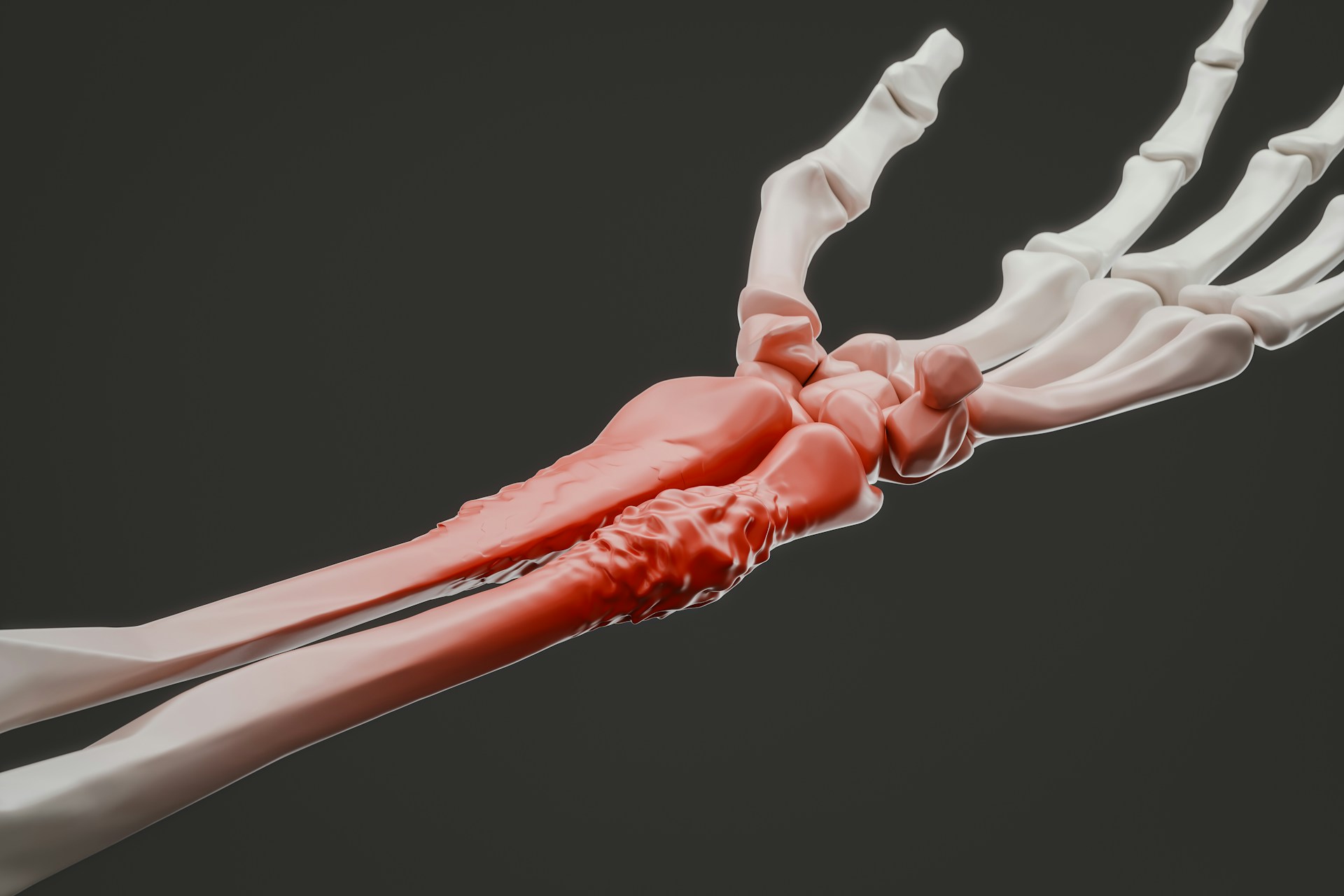
This article is for informational purposes only and does not constitute medical advice. Always consult with a qualified healthcare provider before considering any peptide therapy.
Body protection compound-157 (BPC-157) is a 15-amino acid peptide sequence originally isolated from human gastric juice in the early 1990s. It shows unusual stability in gastric acid and broad cytoprotective effects in preclinical models. BPC-157 maintains biological activity for more than 24 hours in human gastric juice, which sets it apart from most peptides that rapidly degrade in acidic environments.
More than 35 animal and in-vitro studies have examined BPC-157’s effects on musculoskeletal injuries, inflammation, and tissue healing, including tendons, ligaments, bone, and gut tissue, as summarized in a recent multifunctionality review.
It has never received FDA approval for any medical indication. It’s sold only as an unregulated “research chemical,” with both academic and clinical writers stressing the lack of strong human data and regulatory approval.
Quick Takeaways
- BPC-157 shows promise in animal studies for joint and tendon healing, but human data remains extremely limited to a single small study
- The peptide appears to work through multiple pathways including angiogenesis, growth factor receptor upregulation, and anti-inflammatory mechanisms
- Only one retrospective human study exists for joint applications, involving 16 patients with knee pain who reported relief, but it lacked controls and standardized measures
- Product quality is a major concern, with analyses showing high rates of incorrect sequences and endotoxin contamination in unregulated market products
- BPC-157 is not FDA-approved and regulators classify it as ineligible for pharmacy compounding due to insufficient safety data
What is BPC-157?
BPC-157 is a synthetic peptide derived from a protective protein found in stomach acid. Researchers identified it while studying how the body protects and repairs its own tissues. The peptide consists of 15 amino acids arranged in a specific sequence.
Most peptides break down quickly in stomach acid. BPC-157 is different. It remains stable in gastric juice for extended periods, which has made it a subject of interest for gastrointestinal healing research.
The compound has been tested primarily in rats, mice, and cell cultures. These studies have explored its effects on everything from tendon injuries to blood vessel growth. However, translating these findings to human applications remains a challenge.
Third-Party Tested, 99% Purity
Order lab-verified peptides from our top recommended vendor.
How BPC-157 May Reduce Joint Pain
Most joint-focused evidence comes from cell and animal models rather than human arthritis trials.
Vascular Growth and Blood Flow
BPC-157 appears to upregulate VEGFR2 and activate the VEGFR2-Akt-eNOS pathway, increasing nitric oxide production and promoting endothelial proliferation. In rodent ischemia and vascular-injury experiments, BPC-157 increased vessel density and accelerated blood-flow restoration compared with untreated controls.
This suggests pro-angiogenic effects that could theoretically benefit poorly vascularized joint structures.
Growth Factor Receptor Upregulation
In tendon fibroblasts, BPC-157 increases growth hormone receptor expression in a dose and time-dependent manner at both mRNA and protein levels, as summarized in an orthopedic deep dive. Functional assays in that work show that adding growth hormone to BPC-157-treated fibroblasts further boosts proliferation and proliferating cell nuclear antigen (PCNA) expression via JAK2-STAT3 signaling.
This suggests BPC-157 “primes” cells to respond more strongly to endogenous growth hormone rather than acting as a growth factor itself.
Focal Adhesion Complex Activation
Experimental data indicate that BPC-157 activates the focal adhesion kinase (FAK)-paxillin axis. It increases phosphorylation of both proteins without changing total levels, which strengthens fibroblast adhesion, migration, and survival under oxidative stress.
Fluorescent imaging from the same line of work shows increased F-actin organization. This aligns with improved cytoskeletal dynamics and migration toward injury sites, which are key steps in tendon and ligament repair.
Anti-Inflammatory Effects
Preclinical studies report that BPC-157 reduces COX-2 expression, myeloperoxidase activity, and pro-inflammatory cytokines such as TNF-α and IL-6 across several injury and inflammation models. It also appears to shift macrophages toward an M2 reparative phenotype and upregulate antioxidants like heme oxygenase-1.
These mechanisms together may limit inflammatory damage and fibrosis while supporting regeneration.
💡PEPTIDE PICKS: MORE TO EXPLORE
- Looking for male-focused peptide protocols? Check out our guide to peptides for men covering testosterone support, muscle building, and anti-aging applications.
- Curious about combining BPC-157 with other healing peptides? Learn the optimal dosage and stacking protocol for BPC-157 and TB-500 to maximize recovery.
- Looking for female-specific applications? Check out our guide to BPC-157 for women covering hormonal considerations and benefits.
Evidence for Joint and Musculoskeletal Healing
Tendon Healing in Rat Models
Using a classic transected Achilles tendon model, daily intraperitoneal BPC-157 (10 μg to 10 pg/kg) starting 30 minutes post-injury significantly improved functional and structural healing versus saline. Treated rats showed higher failure load, stiffness, and Young’s modulus.
They also had improved Achilles functional index scores and better collagen organization with increased capillary density on histology.
A separate Achilles detachment model (tendon detached from calcaneus) showed that BPC-157 improved functional recovery, increased biomechanical strength, and promoted tendon-to-bone reattachment without surgical repair. Benefits were evident from days 7 to 21. In the same experimental framework, BPC-157 also reduced tendon-healing impairment induced by systemic corticosteroids.
Bone Healing in Rabbit Models
In a segmental radial bone-defect model, systemic or local BPC-157 significantly increased the proportion of animals with complete bridging of the defect. All saline-treated rabbits failed to heal over six weeks.
Radiographs and histology showed larger callus area, denser bone, and more continuous cortical bridging compared with controls. Healing in some BPC-157 regimens approached outcomes achieved with bone marrow or cortical grafts.
Single Human Clinical Study
The only published human data on joints is a small retrospective chart review of intra-articular BPC-157 for knee pain. Sixteen patients with varied knee conditions received 4 mg BPC-157 injections (12 BPC-157 alone, 4 BPC-157 plus thymosin-β4).
Of the patients receiving BPC-157 alone, 11 of 12 (91.6%) reported “significant improvement” in pain. Meanwhile, 3 of 4 (75%) in the combination group reported improvement, for an overall 87.5% reporting relief often lasting beyond six months.
The study lacked a control group, blinding, standardized pain scales, or imaging. It originated from a clinic that marketed BPC-based therapies, creating substantial risk of bias and limiting interpretability.
BPC-157 vs Traditional Arthritis Treatments
| Treatment | Duration of Effect | Mechanism | Evidence Quality | FDA Status |
|---|---|---|---|---|
| BPC-157 (knee injections) | Up to 6+ months (single small study) | Angiogenesis, focal adhesion, anti-inflammatory | Very limited human data; one retrospective series | Not approved; sold as research chemical |
| Corticosteroid injection | ~1-4 weeks | Potent anti-inflammatory, immunosuppressive | Extensive RCTs and meta-analyses (non-BPC) | FDA-approved for intra-articular use |
| Platelet-rich plasma | Weeks to months | Autologous growth-factor delivery, matrix modulation | Moderate-quality but mixed evidence | Some systems FDA-cleared for ortho use |
| Hyaluronic acid | Weeks to months | Viscosupplementation, mild anti-inflammatory | Mixed results across RCTs | Multiple FDA-approved products |
Corticosteroid injections remain the best-validated short-term option but may impair cartilage with repeated use. Platelet rich plasma (PRP) and hyaluronic acid show modest, variable benefits depending on preparation and patient factors.
BPC-157 offers a theoretical advantage of promoting structural healing (angiogenesis, collagen remodeling) rather than purely symptom control. Current human evidence is dramatically weaker than for established therapies.
Safety and Regulatory Issues
Preclinical toxicity studies in multiple species report no clear toxic dose, organ damage, or teratogenicity at a wide range of exposures. Narrative reviews describe BPC-157 as well tolerated in repeated dosing. A very small human pilot in two healthy volunteers suggested IV doses up to 20 mg were tolerated without obvious lab abnormalities, but this is far from adequate for safety conclusions.
Theoretical cancer concerns arise because BPC-157 stimulates pro-angiogenic (VEGFR2-Akt-eNOS) and cell-migration (FAK-paxillin) pathways that tumors can exploit, as discussed in a recent pharmacology review. Some older preclinical work suggests context-dependent anti-tumor effects in certain models, but overall oncologic risk in humans remains unknown.
A more immediate concern is product quality. Analyses and expert summaries of gray-market peptide products report high rates of incorrect sequences and endotoxin contamination in unregulated BPC-157 vials. This raises risks of immune reactions and systemic toxicity.
Clinician-authored overviews describe paradoxical patient reports (anxiety, palpitations, worsening joint pain, sedation) that are more aligned with mixed, contaminated supply than with a clean, reproducible pharmacologic signal.
Regulators have taken notice. An FDA compounding bulletin classifies BPC-157 as an unapproved new drug and states it is ineligible for pharmacy compounding because of insufficient human safety data. An anti-doping advisory warns athletes that BPC-157 is prohibited and experimental.
Practical contraindications often cited include known or suspected malignancy, pregnancy or breastfeeding, competitive sport under anti-doping rules, and any situation where a sterile, verified-purity product cannot be assured.
Bottom Line
BPC-157 shows promise in animal models for joint and tendon healing through multiple biological pathways. The peptide appears to promote angiogenesis, upregulate growth factor receptors, activate focal adhesion complexes, and reduce inflammation in preclinical settings.
However, human evidence remains extremely thin. Only one small, uncontrolled retrospective study exists for joint applications, and it carries significant methodological limitations. The lack of FDA approval, quality control issues with unregulated products, and theoretical cancer concerns make BPC-157 a risky choice compared to established arthritis treatments with proven track records.
Until properly designed human trials demonstrate safety and efficacy, BPC-157 should be approached with caution. Those considering it should consult qualified medical professionals and recognize the substantial gaps in our understanding of how it works in human joints.
Frequently Asked Questions
Is BPC-157 legal to use for arthritis?
BPC-157 is not FDA-approved for any indication and cannot legally be marketed as a drug, supplement, or compounded ingredient in the U.S. It is sold as a “research chemical” without quality assurance. Regulatory and anti-doping authorities stress that it should not be used clinically.
How long do effects last?
The single retrospective knee-injection series reported pain relief persisting beyond six months after one intra-articular dose in most responders. The lack of controls and objective imaging makes it impossible to distinguish true treatment effect from placebo or natural course. Animal tendon and bone-healing studies typically show progressive benefit over several weeks rather than immediate structural change.
Can BPC-157 be taken orally for joint pain?
BPC-157 is stable in gastric juice and has demonstrated oral efficacy in some gastrointestinal models. No human trials have evaluated oral dosing for joint-related indications. Systemic bioavailability or joint penetration after oral use remain undefined.
What dose is used for joint pain?
The only published joint study used 4 mg per intra-articular injection, without formal dose-finding or pharmacokinetic work. Animal musculoskeletal experiments span a wide range of doses (from ng/kg to μg/kg). No optimal human dose for safety and efficacy has been established. Proper timing and dosing protocols remain areas of active investigation.
References
- Gastric pentadecapeptide BPC 157 accelerates healing of transected rat Achilles tendon and in vitro stimulates tendocyte growth. J Orthop Res. 2003;21(5):976-983. https://pubmed.ncbi.nlm.nih.gov/14554208/
- Achilles detachment in rat and stable gastric pentadecapeptide BPC 157. J Orthop Res. 2006;24(5):982-989. https://pubmed.ncbi.nlm.nih.gov/16583442/
- Osteogenic effect of a gastric pentadecapeptide BPC-157 on the healing of segmental bone defects in rabbits. J Orthop Res. 2009;27(7):1022-1032. https://repozitorij.kb-merkur.hr/articles/kbmerkur:122/show-file/0
- Sports Medicine Review. Orthopedic use of BPC-157. Published 2025. https://www.sportsmedreview.com/blog/orthopedic-use-bpc-157/
- Intra-articular injection of BPC 157 for multiple types of knee pain. J Regen Med. 2021;10(1):1-5. https://pubmed.ncbi.nlm.nih.gov/34324435/
- Multifunctionality and possible medical application of the BPC 157 peptide. Curr Issues Mol Biol. 2025;47(1):e45-e65. https://pubmed.ncbi.nlm.nih.gov/40005999/