

[Disclaimer: BPC-157 is an experimental peptide with limited human research. While early findings seem promising, long-term safety has not been established. Use the information in this article for informational purposes only, not as medical advice. Consult a medical professional before incorporating this peptide into your routine.]
BPC-157 is a peptide compound that has drawn attention for its possible healing properties, particularly in tendons, ligaments, and muscle tissue repair. Scientists are actively studying how this peptide might speed up the natural healing process in these areas.
However, BPC-157 still lacks comprehensive human clinical trials to confirm these proposed benefits.
That’s why many researchers in the peptide field have started discussing potential BPC-157 side effects in recent years.
These concerns deserve a closer look beyond just speculation and rumors.
In this post, we’ll review what is currently known about BPC-157 side effects and safety considerations based on the available evidence.

What is BPC-157 Used For?
BPC-157 is a synthetic version of a natural peptide (made up of 15 amino acids) found in your digestive system – specifically in the juice your stomach produces to help with digestion.
However, scientists have discovered it can do much more than just help with digestion.
Since 1999, researchers have been amazed by how this peptide seems to help with healing throughout the entire body.
Let us break down what the research on cell cultures and animal models shows BPC-157 might help with:
- Injury Recovery
- Helps heal damaged muscles and tendons (like tennis elbow or shoulder injuries)
- Speeds up recovery from sprains and tears
- Supports bone healing after fractures
- Works on both fresh injuries and old, nagging problems
- Internal Organ Protection
- Shields your liver from damage
- Helps protect your heart
- Supports kidney function
- Guards your pancreas
- Brain and Nervous System Benefits
- Reduces brain swelling after injuries
- Helps with inflammation
- Supports recovery from various brain conditions
- May help with muscle weakness in certain neurological conditions
A particularly exciting study from 2019 found that BPC-157 could potentially help with spinal cord injuries – something previously thought impossible.
The researchers discovered it helped reduce swelling, bleeding, and inflammation in the brain after injuries. It even showed promise in helping severe muscle weakness in conditions like multiple sclerosis.
As one doctor puts it:
“BPC-157 is a game changer for people with shoulder issues, tennis elbow, golfers elbow, ligament problems, and torn muscles.“
However – and this is important for you to know – there’s a catch.
While the potential benefits sound amazing, BPC-157 is currently only available as a research chemical. It’s not approved for general use, and sports authorities are taking notice.
The World Anti-Doping Agency (WADA) has added it to its list of banned substances under the “Non-approved Substances” category in 2022 because it might give athletes an unfair advantage in recovery speed.

Is BPC-157 Safe?
The safety profile of BPC-157 in humans is largely unknown. In the few small human trials, no serious adverse events or toxicity have been reported.
Animal studies also found minimal side effects, even at high doses.
Let’s see what the current research is saying:
- Animal Studies
- A comprehensive 2020 toxicology study published in Regulatory Toxicology and Pharmacology found no significant adverse effects in:
- Mice
- Rats
- Rabbits
- Dogs
- Even at doses significantly higher than therapeutic recommendations.
- A comprehensive 2020 toxicology study published in Regulatory Toxicology and Pharmacology found no significant adverse effects in:
However, human physiology can differ significantly from that of rodents and other lab animals.
- Human Research
- A brief 7-day clinical trial from 2002 only tells us there were “no significant adverse effects” – but provides little other useful data.
- A more comprehensive clinical safety study was registered in 2015 on clinicaltrials.gov, but the results were never released, and the study status is listed as “unknown.”
This leaves us in a tricky position: most of what we know about BPC-157’s effects in humans comes solely from clinical reports and individual case studies, rather than scientific trials.
Most of the side effects we’ll discuss below come from these limited animal trials, cell culture studies, and real-world reports from people who have used BPC-157.
Here is the regulatory status of BPC-157:
- Not FDA-approved for human use
- Classified as a research chemical
- Cannot be marketed as a dietary supplement
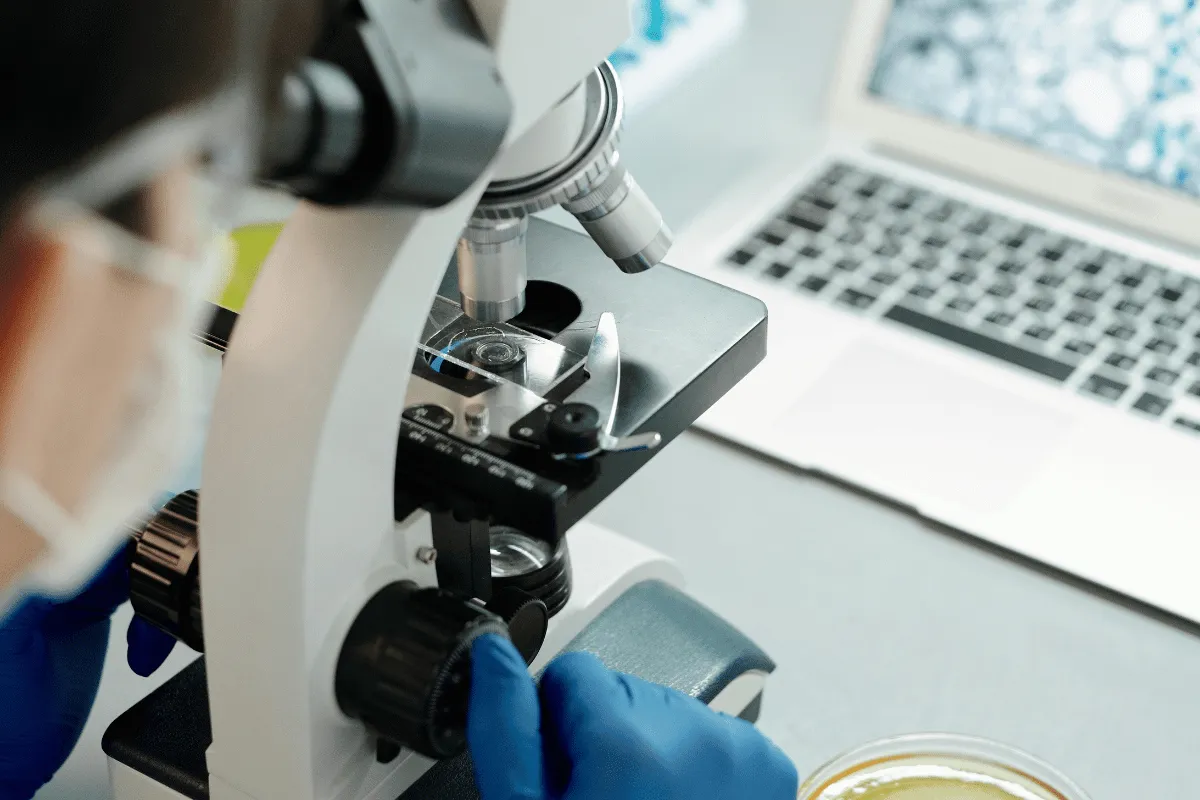
BPC-157 Peptide Side Effects
The most commonly reported side effects of BPC-157 are relatively mild and often resolve on their own within a few days.
These effects tend to occur early on during initial injections. Nasal, oral, and topical applications have less reported irritation.
Let’s break down the side effect profiles with different methods of taking BPC-157:
BPC-157 Oral Side Effects
Taking BPC-157 orally comes with unique challenges due to its interaction with your digestive system.
Here are the BPC-157 capsules side effects you should watch for:
Immediate Effects (First Few Hours):
- Unpleasant taste or altered taste sensation
- Dry mouth
- Throat irritation
- Initial stomach discomfort
- Nausea
Digestive System Challenges:
- Bloating and gas
- Acid reflux
- Irregular bowel movements
- Temporary loss of appetite
- Stomach sensitivity

Absorption Considerations:
- Lower bioavailability compared to injectable forms
- Unpredictable absorption rates
- Delayed onset of action (can take 1-3 hours to feel effects)
- Potential interactions with meals and medications
Pro Tips for Taking BPC-157 Capsules:
- Take on an empty stomach for best absorption
- Start with a lower dose to assess tolerance
- Consider taking with a small amount of food if experiencing significant discomfort
- Space doses at least 30 minutes from other medications
- Stay well hydrated to help minimize digestive issues
These effects typically improve as your body adjusts to the supplement, usually within the first week of consistent use.
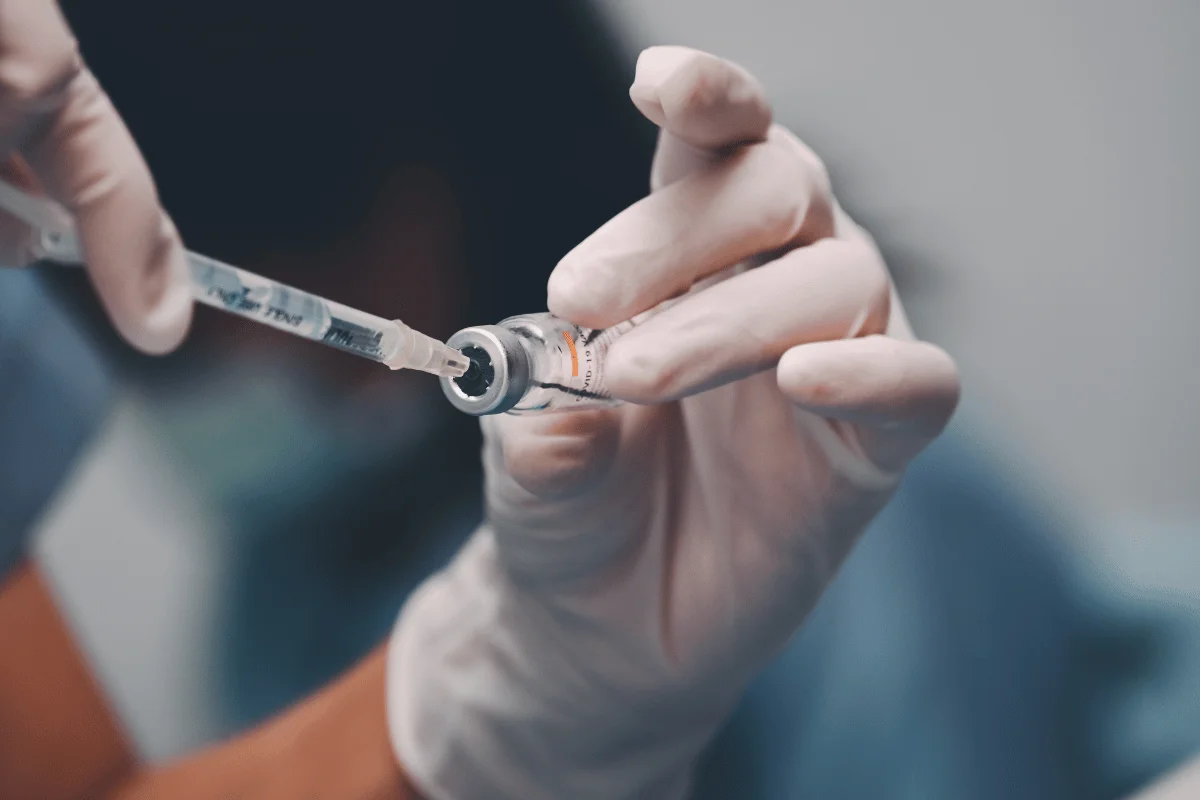
BPC-157 Injection Side Effects
Injectable BPC-157 comes with its own set of potential side effects, primarily related to the injection process itself:
Local Reactions:
- Injection site pain (most common)
- Itching or burning sensation
- Redness and swelling
- Bruising
Technical Complications:
- Nerve irritation
- Scarring at injection sites
- Risk of infection if not properly sterilized
- Tissue damage from improper technique
Injections send peptides directly into the bloodstream. While fast-acting, this can sometimes provoke immune activation and systemic symptoms, especially with subQ (subcutaneous) and IM (intramuscular) methods.
Rotate sites daily and massage areas to help dispersion.
BPC-157 Nasal Spray Side Effects
The nasal administration method can cause temporary irritation in your respiratory system.
Here’s what to watch for:
Local Irritation:
- Nasal passage inflammation
- Rhinorrhea (runny nose)
- Sneezing fits
- Congestion
Upper Respiratory:
- Coughing
- Postnasal drip
- Altered smell sensation
- Temporary throat irritation
Nasal sprays deposit peptides directly into the rich capillary network inside nasal passages for quick absorption. However, irritation is common.
Be sure to tilt and briefly remain still after spraying. Pre-treatment antihistamines can help.
Note: There are also some theoretical concerns around BPC-157’s potential to stimulate the growth of cancers. These concerns stem mainly from BPC-157’s proangiogenic properties, which means it helps form new blood vessels.
However, this theoretical risk isn’t backed by solid evidence. Much more research is needed in this area.

Factors that Influence BPC-157 Side Effects
A few key things can affect how well you tolerate BPC-157 treatment and your risk of side effects:
- Dosage: Taking higher doses often leads to more negative reactions. You’ll want to use the smallest amount that still provides benefits.
- Health Conditions: People with chronic diseases or hormone issues seem to experience more side effects, while healthy people can handle it better.
- How You Take It: Injections can cause more skin irritations than pills or nasal sprays, but pills and sprays may cause GI and nasal side effects. Choose the gentlest method for your purposes.
- Medications: Some drugs you might be on, like chemo, steroids, or antidepressants, may clash with BPC-157 and make side effects worse.
- Age: Older adults (particularly those over 65) may experience more pronounced side effects, while younger individuals typically report fewer adverse reactions.

How to Mitigate the Side Effects of BPC-157
If you experience any unpleasant effects while using BPC-157, don’t worry.
There are several evidence-based strategies that can help minimize side effects and make your experience more comfortable:
1. Start with Proper Dosing
The most important factor in minimizing side effects is getting your dosage right.
Start with the minimum effective dose based on your body weight:
- 110 μg (microgram) for a 150 lb person
- 145 μg for a 200 lb person
- 180 μg for a 250 lb person
If you notice any adverse reactions, don’t hesitate to scale back the dose until you find your optimal tolerance threshold.
You can always gradually increase the dosage once your body adjusts.
2. Perfect Your Administration Technique
Proper administration is a must for reducing unwanted effects.
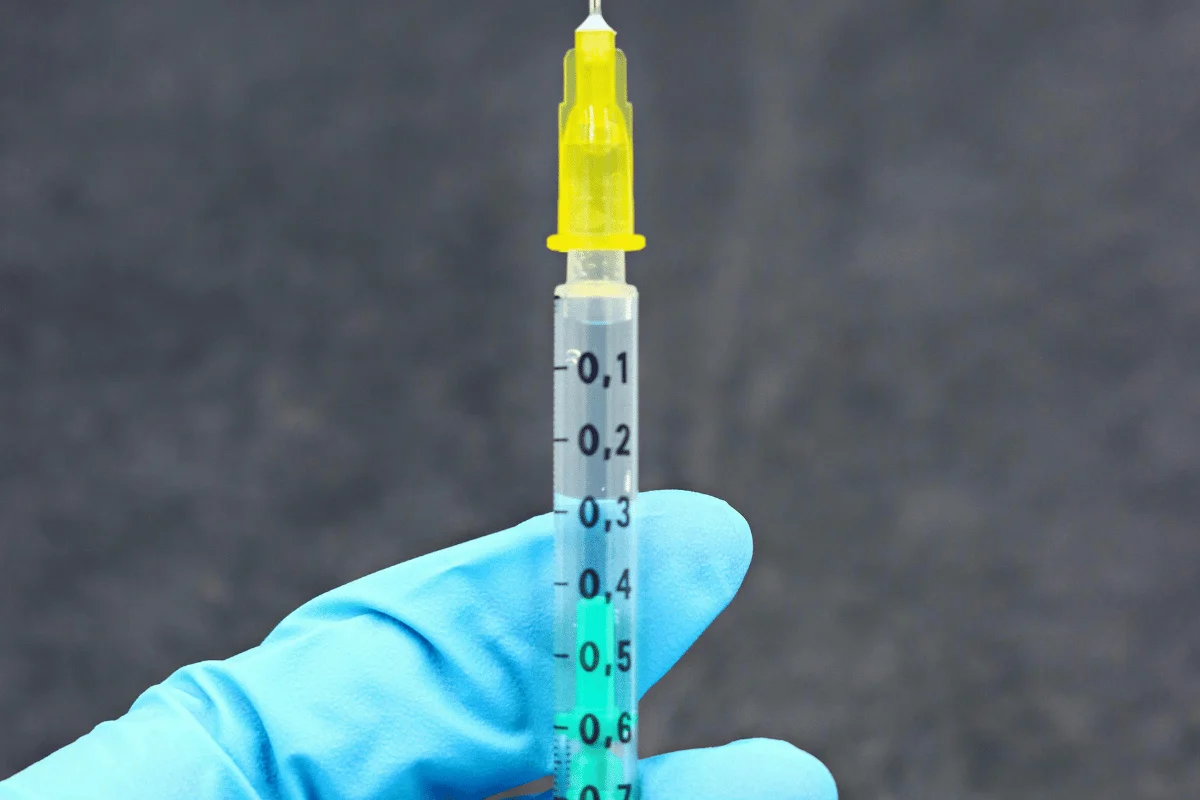
For injections, always use a sterile technique and rotate your injection sites.
Consider mixing the peptide with sterile buffers to minimize local irritation – this simple step can significantly reduce injection site reactions.
3. Take Care of Your Body
Maintain a healthy diet and stay well-hydrated throughout your treatment cycle.
If you’re using oral or nasal forms, consider taking probiotics to help maintain healthy gut flora and reduce gastrointestinal disruption.
4. Monitor and Adjust
Keep detailed records of your experience, including:
- When you take BPC-157
- Any side effects you notice
- How long effects last
- What helps alleviate symptoms
This information will help you fine-tune your protocol.
5. Plan Strategic Breaks
Take scheduled breaks from BPC-157, such as weekends off or short rest periods. This approach allows your body to reset if you’re developing increased sensitivity.
Many users find that incorporating regular breaks helps maintain the peptide’s effectiveness while minimizing side effects.
6. Consider Supportive Treatments
If you’re experiencing uncomfortable symptoms, short-term use of over-the-counter anti-inflammatories like acetaminophen can help manage temporary discomfort.
However, always consult with your healthcare provider before combining medications.

Frequently Asked Questions (FAQs)
Let’s address some common concerns about BPC-157 safety and effects:
How Long Does BPC-157 Stay in Your System?
There are no human pharmacokinetic trials measuring elimination timeframes.
However, based on the 2022 research paper published in Frontiers in Pharmacology, here’s what we know about how long BPC-157 stays in an animal system:
Half-life (t1/2) of BPC-157:
- Less than 30 minutes for the active compound
- Specifically:
- ~15.2 minutes after intravenous (IV) administration in rats
- ~5.27 minutes after IV administration in dogs
Clearance:
- The prototype drug becomes undetectable within 4 hours of administration
- The compound is rapidly eliminated from the plasma
Note: This study was conducted in rats and dogs; human pharmacokinetics may differ.
Where Can I Get BPC-157?
Legal sources for BPC-157 are limited and strictly regulated:
- Licensed compounding pharmacies (prescription required)
- Research chemical suppliers (laboratory use only)
- Dedicated peptide research facilities
BioLongevity Labs stands out as a notable research peptide supplier. We offer:
- Both standalone BPC-157 (5mg) and BPC-157/TB-500 blends
- Comprehensive quality testing
- 99% pure peptides and proteins for research use
- Same-day shipping for orders placed before 12 PM PST
- Free shipping on orders over $300
Important Note: FDA regulatory changes in September 2023 may affect availability through US compounding pharmacies.
How Long Does BPC-157 Take to Work?
You will get the benefits at different rates for different purposes.
Wound healing often shows faster improvements – within days to weeks. GI damage may require several months for full restorative effects.
Depending on the condition, allow 2-4 weeks before assessing effectiveness, adjusting the protocol as needed.
Conclusion – BPC-157 Risks
BPC-157 could help speed up healing and protect tissues when injured. But there’s still a lot we don’t know about long-term safety.
Mild side effects seem common if you take injections, sprays, or pills. Carefully controlling your dosage and using the tips in this article can help make treatment less risky.
Without more extensive human trials showing how potent it is over time and ruling out harm, you should assume some unknown level of danger experimenting on your own.
Always thoroughly discuss options with your doctor before trying unapproved peptides like BPC-157. The key is being an informed, cautious consumer!