


[Disclaimer: The peptides mentioned in the article are for educational purposes only. Do not consider any information as a substitute for medical guidance. Research on most peptides is still underway. Therefore, consult a medical professional before starting any peptide therapy.]
Do you want a safe and effective solution to accelerate the healing of your injuries? Peptides focus on fixing the root cause rather than just taming down the symptoms.
Various peptides perform different functions, from rebuilding the damaged joints to speeding up muscle recovery. Out of these, a couple of peptides can be used for all kinds of physical healing.
Read the article until the end to learn the best healing peptides and how they accelerate tissue repair and gut healing.
Also, discover what side effects they may cause and how to prevent the adverse reactions.
TL;DR – Best Healing Peptides
Here are the best healing peptides for musculoskeletal and gut healing:
Note: Not all peptides mentioned above have undergone clinical trials. Based on our research and strong anecdotal evidence, BPC-157 is the best healing peptide for musculoskeletal and gut healing.
Can Peptides Heal Injuries?
Yes, peptides can heal most injuries related to muscles, tendons, cartilage, ligaments, and bones. Here’s what peptides can heal:
- Sports injuries
- Muscles, tendons, and ligaments injuries
- Cartilage degeneration
- Strains and sprains
- Bone fractures
- Post-operative injuries
- Wounds and scars
However, it is crucial to visit your healthcare provider after injury for first aid. You can use peptides along with or after the primary treatment for speedy recovery.
Benefits of Healing Peptides
Healing peptides perform multiple actions for quick recovery and tissue repair. Read below to explore the benefits of healing peptides:
- Angiogenesis: Some healing peptides can help make new blood vessels. The increased blood flow enhances the supply of fibroblasts (repairing cells), nutrition, and oxygen to the injury site for speedy healing.
- Decrease in Inflammation: Peptides can reduce inflammation and pain. Reduction in inflammation also provides an ideal environment for healing.
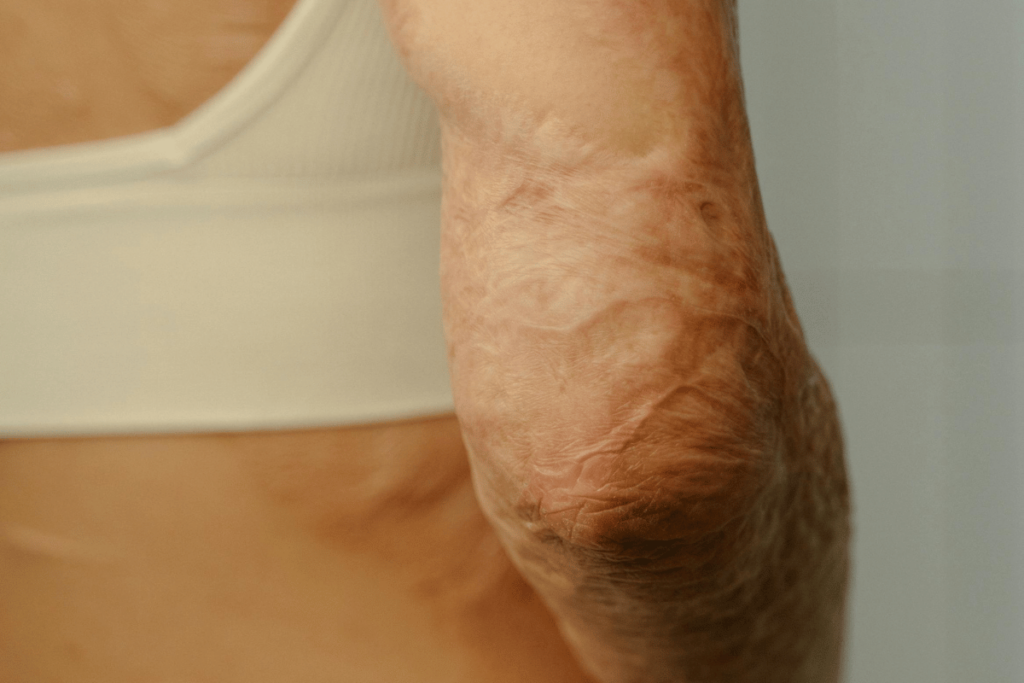
- Tissue Regeneration: Healing peptides may also make collagen and regenerate tissues by replacing old damaged cells with fresh and healthy ones. These compounds even remodel hard tissues like bones.
- Joint Recovery: Peptides can also repair cartilage and improve joint flexibility and function.
Third-Party Tested, 99% Purity
Order lab-verified peptides from our top recommended vendor.
Best Peptides for Healing
Now, let’s dive into the best peptides for healing:
Peptides for Healing Tendons
Tendon injury is caused when the fibers connecting muscles with bones are gradually or suddenly damaged. Tendon healing involves repairing and remodeling. And that’s exactly what healing peptides do.
Let’s look at the top peptides that can heal tendons:
TB-500
A review article published in Expert Opinion on Biological Therapy reported that Thymosin beta-4 (aka TB-500) is a multifunctional peptide that is proven to repair and regenerate tissues in multiple clinical studies.
Additionally, the study mentioned that:
- TB-500 treatment facilitates the growth of new blood vessels by modulating vascular endothelial growth factor (VEGF).
- Increased vessels enhance nutrition and oxygen supply for the speedy healing of tissues.
- Blood vessels also facilitate other reparative processes, including delivery of repair factors to the healing site and collagen deposition for tissue remodeling.
- TB-500 peptide also reduces inflammation to provide an ideal environment for healing.
Research on TB-500 is still in progress. However, anecdotal evidence has revealed that TB-500 and BPC-157 (detailed in another section) are the best peptides for tendon healing.
TB-500 and BPC-157 users shared their experiences:
I’ve been taking 5mg / 5mg BPC 157 and tb500 diluted into 5 doses for 4 weeks and I think it works incredibly well for healing tendon injuries. I started noticing major improvement after 10 days. My knee pain and vastus medialis oblique injury is completely healed and I’m training hard again (running & cycling.)
I had tendinitis badly in my shoulder. I started to take BPC-157 to help with the tendinitis. It healed both injuries within a week. I couldn’t believe it. I was taking the oral pills twice a day.
29-Mer
Research published in Stem Cell Research and Therapy mentioned that 29-Mer (aka triparanol or Mer-29) is a peptide that heals tendons by activating TSPCs (tendon stem/progenitor cells).
29-Mer peptide enhances the ability of these immature tendon cells to grow and multiply for healing and regeneration.
Study results revealed that 29-Mer treatment:
- Stimulated immature tendon cells to accumulate in the damaged area within 1st week to form new tendon tissues
- Improved the organization of collagen fibrils and enhanced tendon strength
Therefore, the 29-Mer peptide could be a promising healing agent for tendon injuries or ruptures.
Note: Research on healing peptides is yet in the initial stages. So, we suggest you use only those healing peptides with strong anecdotal evidence, like BPC-157, TB-500, and collagen peptides.
Peptides for Bone Healing
Bruises, fractures, and bone conditions (like osteoporosis) damage bones. Symptoms of bone damage include swelling, immediate pain, deformity, or difficulty moving the damaged site.
Find the top bone healing peptides below:
CGRP
According to research, CGRP (calcitonin gene-related peptide) is crucial for healing bones. In the same study, scientists checked the healing effect of CGRP on the fracture of the thigh (femoral) bone of the mice.
Research findings revealed that:
- CGRP levels increase after bone damage at a fractured site, indicating its potential in bone healing
- CGRP stimulated the genes involved in the formation and remodeling of bones
- Mice without CGRP could not heal bones due to lesser bone-forming cells (osteoblasts)
Besides, it was reported that activating CGRP receptors in the body may serve as a promising tool for regenerating bones in individuals with fractures.
Note: Collagen peptides also aid the production of CGRP and bone-forming cells. Therefore, collagen peptides are the best option for bone healing.
Teriparatide
According to the research published in Bone Journal, Teriparatide is known to treat osteoporosis. Other osteoporosis treatments just slow down the bone cell loss. However, Teriparatide administration helps in bone remodeling.
Researchers indicated that Teriparatide treatment in patients:
- Strengthens bones from the inside out
- Facilitates bone growth throughout the bony skeleton, including hips
- Reduces the danger of nonvertebral fractures, such as hips
These findings show that Teriparatide not only improves bone density but also repairs bone architecture, making it a suitable bone-healing peptide for strengthening fractures or weak bones.
Peptides for Gut Healing
According to a study published in Current Pharmaceutical Design, orexigenic peptides (like ghrelin and orexin-A) play a gastroprotective role against the damage to the stomach’s inner lining (gastric mucosa) caused by ulcer-causing compounds, like anti-inflammatory drugs.
The following are the best peptides for gut healing:
Ghrelin
Ghrelin is predominantly produced in the stomach. A preclinical study published in Endocrinology examined its protective role against ethanol-induced ulcers.
Ghrelin administration in rats:
- Reduced depth of ulcers in the stomach
- Decreased frequency of gastric ulcers by 39–77%
In another preclinical investigation published in General Physiology and Biophysics, ghrelin was administered in rats to evaluate its protective effect on erosions and ulcerative injuries in rats.
The pretreatment showed:
- Decreased gastric ulcers
- Decreased inflammation and oxidative stress
The above evidence shows that ghrelin could be used as a therapeutic agent for gut healing. However, a study says ghrelin has the tendency to enhance food intake and weight gain. Therefore, those already struggling with obesity should stay away from this peptide.

Orexin-A
Orexin-A is a neuropeptide that also regulates food intake. According to preclinical research published in the Journal of Surgical Research, treatment with Orexin-A decreased lesions in rats’ stomachs.
In another study published in the Journal of Gastroenterology, researchers assessed the effect of Orexin-A on the damaged stomach lining of rats.
The treatment:
- Influenced the brain to heal gut damage
- Decreased severity of damage to gastric mucosa by 70%
However, the research on Orexin-A is still in the preclinical stages. Further clinical trials are needed to validate these findings in humans.
BPC-157
Last but not least, BPC-157 (aka Body Protection Compound) is derived from stomach acid and is the best peptide for gut healing.
Research published in Current Pharmaceutical Design revealed that BPC-157 peptide repairs damages in the food pipe, stomach, intestines, and pancreas.
The study also mentioned that the healing peptide has the tendency to:
- Protect the stomach lining and restore its tissue structure
- Heal and prevent ulcers and fistulas in the intestine and stomach
- Prevent injuries caused by using over-the-counter inflammatory drugs
- Regulate gut motility to alleviate food pipe inflammation and improve digestion
Plus, there is strong anecdotal evidence regarding the effect of BPC-157 on gut healing.
A BPC-peptide user shared:
I had a total colectomy in 2008 due to severe ulcerative colitis. In 2018 I had a blockage in my small intestine that perforated, resulting in cutting out a few inches of my small intestine. Needless to say, I’ve had significant digestive issues over the last 14 years…namely frequency and urgency. I started taking BPC 157 a few weeks ago. Why was I never introduced to this sooner? I haven’t needed Imodium since I started taking this. Im anxious to observe more progression.
Note: TB-500 and BPC-157 form new blood vessels for efficient healing of damaged tissues, including wounds. Therefore, these are the most effective peptides for wound healing.

Peptides for Muscle Healing
Muscle pain or muscle ache (called myalgia) is mostly caused by overuse, injury, stress, strains, and sprains. A few other conditions can also lead to muscle pain, including flu and lupus (a condition in which the immune system attacks its own body).
The following peptides are most effective for muscle healing:
Glutamine
A clinical study published in the Nutrients journal mentioned that glutamine is involved in protein synthesis. Protein synthesis contributes to muscle healing by repairing the damaged muscle fibers and enhancing the growth of new ones.
In the same study, researchers assessed the effect of glutamine supplementation on muscle damage in basketball players. They gave players 6 g of glutamine for 20 days and evaluated their blood samples.
Glutamine supplementation in players:
- Reduced their muscle damage markers, indicating its muscle healing effect
- Decreased level of adrenocorticotropic hormone (ACTH) to prevent the increase in cortisol (stress hormone) for effective healing
It was revealed that glutamine decreases muscle damage and stress caused by exercise, thus helping to improve sports performance and recovery.
Melittin
A preclinical study published in the Journal of Pharmacological Sciences checked the effect of Melittin (a peptide in bee venom) on the injury of thigh muscles in mice.
A week of treatment in injured mice:
- Increased the levels of muscle repair markers, suggesting its muscle-healing potential
- Enhanced their locomotor and treadmill performance
- Decreased inflammation
Another study, published in the International Journal of Molecular Sciences, checked the role of Melittin in calf muscle wasting (loss of muscle mass and strength) in rabbits due to immobilization.
Treating rabbits with different concentrations (4 μg/kg, 20 μg/kg, 100 μg/kg) of Melittin:
- Increased muscle regeneration
- Increased cross-sectional area of muscle fibers
- Increased blood vessel-forming proteins in the highest-dose group
The study findings revealed that high-dose Melittin (100 μg/kg) is most beneficial for muscle regeneration and repair.
Peptides for Healing Joints
Joints can be damaged by infections, sprains, tendonitis (inflamed tendons), and cartilage degeneration due to repeated movement of the same joint.
Here are the best peptides for healing joints:
Collagen Peptides
According to research, collagen protein is present in tendons, bones, and cartilage. In the same study, researchers evaluated the role of collagen peptides in the joints of rats damaged by osteoarthritis.
It was revealed that collagen treatment in rats:
- Decreased a collagen-breaking enzyme (MMP-13) and prevented cartilage degradation
- Increased a cartilage protein (type-II collagen) and maintained collagen synthesis
These findings showed that collagen peptides heal joint cartilage by decreasing collagen degradation and maintaining the structure of joints.
Clinical research published in Applied Physiology, Nutrition, and Metabolism checked the role of collagen peptides in 139 athletes with knee joint issues during sports. Athletes were orally provided with 5g of collagen peptides for 12 weeks.
The results showed:
- Decrease in intensity of activity-related joint discomfort
- Reduced joint discomfort while resting
Tons of clinical studies have proved the therapeutic effect of collagen on joint healing. Healed joints make everyday activities easier and help fitness enthusiasts in their workout regimens. Therefore, collagen peptides are also listed among the best peptides for bodybuilding.
AOD-9604
AOD-9604 peptide is known to degrade fats and reduce weight. Also, the peptide aids tissue repair and contributes to the synthesis of collagen II (a protein found in cartilage and tendons).
A preclinical investigation published in the Annals of Clinical and Laboratory Science examined the role of this peptide in the knees of rabbits with osteoarthritis.
AOD-9604 injections:
- Stimulated cartilage regeneration in joints
- Decreased inflammation and provided relief from pain in knee joints
These findings reveal that AOD-9604 can regenerate the cartilage and alleviate joint pain and inflammation. That’s why the peptide could be a decent option for joint healing and is considered one of the top peptides for arthritis.
However, the peptide has not undergone clinical trials yet. Therefore, visit your doctor to get the most viable peptide option suited for your joint condition.
How to Use Peptides for Healing?
Here’s how to use healing peptides for maximum results:
Dosage
The dose of healing peptides differs depending on your goals, health, and peptide.
BPC-157 Dosage
BPC-157 peptide dosage varies depending on the use. Different doses and treatment durations are suggested for healing, muscle growth, and bodybuilding.
For injury healing, you may start by injecting 300 mcg daily into the injury area.
TB-500 Dosage
Like BPC-157, TB-500 dosage varies depending on the purpose or type and severity of damage.
However, most individuals start with 2-2.5 mg of TB-500 per week and gradually increase the dose.
Dosage for Collagen Peptides
According to the literature, ingesting 2.5–15 g of collagen peptide daily for 3 to 18 months is safe and effective.
Cycling
You may take healing peptides for 2-3 months. After that, take a break of a minimum of one month. Taking a break from peptide treatment gives the body some time to reset.

Administration Methods
Let’s look at the common administration methods of the healing peptides:
Peptide Injections
Healing peptides (like TB-500 and BPC-157) are injected either subcutaneously (under the skin) or intramuscularly (within the muscles) at the damaged site.
Injections are preferred for the administration of most peptides. The reason is that injected formulations bypass the digestive system, ensuring better bioavailability and speedy absorption into the bloodstream.
Oral Forms
As mentioned in a study above, some peptides (like collagen) are ingested. Also, BPC-157 is best for gut health if taken in oral form.
Note: Due to a lack of clinical trials, most of the data related to peptide dosage is based on anecdotal evidence. Therefore, always talk to your doctor before starting any peptide therapy.
Healing Peptides Side Effects
Healing peptides are well-tolerated. However, they may cause a few side effects, including:
- Allergic reactions
- Injection site irritation
- Nausea
- Digestive issues
- Flushing
- Fatigue
- Lethargy
Remember, most peptides have not yet been approved by the World Anti-Doping Agency (WADA). Additionally, the peptides are not thoroughly evaluated in humans. Their safety profile and side effects are based on anecdotal evidence.
Therefore, be cautious and consult your doctor before initiating peptide therapy, especially if you already have any health condition.
Note: To avoid side effects of healing peptides, start with a minimal dose and gradually increase the dosage to the optimum level. Also, rotate injection sites to prevent repeatedly irritating the same point.

Frequently Asked Questions (FAQs)
Get answers to your common questions regarding healing peptides below:
Are Peptides Safe for Long-Term Use in Healing Regimens?
The efficacy and safety depend on the peptide and the individual’s health. Also, long-term risks are not yet explored, as comprehensive clinical studies involving safety, dosing, and treatment duration are still underway.
That said, prolonged use of growth hormone-releasing peptides (like ghrelin) could affect your hormones. Therefore, always consult your doctor for a personalized dosing regimen and treatment duration depending on your goals and health.
How Long Does It Take for Peptides to Show Healing Effects?
It depends on the type of damage and the peptide. You may start noticing healing outcomes within a few weeks of initiating peptide treatment.
The results become more pronounced over a few months.
Can Peptides Speed Up Healing After a Sports Injury?
Yes, peptides like BPC-157 and TB-500 speed up the healing of sports injuries, including broken bones, ligament damage, wounds, strains and sprains, cartilage and muscle tears, and tendon injuries.
Healing peptides form blood vessels to deliver repairing factors, oxygen, and nutrition to damaged areas for tissue repair and regeneration.
Conclusion – Peptides to Heal Injuries
If you want an all-in-one solution, go with BPC-157. It is the best healing peptide for musculoskeletal and gut healing. You can also pair BPC-157 with TB-500 for synergistic healing benefits.
Also, collagen peptides show promising results for the healing of joints and skin. You can use healing peptides in combination with other treatment options.
However, you must seek medical advice to develop a personalized peptide treatment plan based on your goals and special needs.