
This article is for informational purposes only and does not constitute medical advice. Always consult with a qualified healthcare provider before considering any peptide therapy.
As an athlete, you’re always searching for ways to boost your performance. You likely focus on three main areas: good nutrition, effective training, and enough recovery.
Peptide therapy is getting noticed in the sports community for its potential benefits in performance and recovery. These small chains of amino acids might aid in muscle growth, endurance, and recovery when used correctly.
Before you think about using them, it’s important to know what peptides are and how safe they are. This article discusses the best peptides for athletic performance and what you should be aware of.
Quick Takeaways
- Growth hormone-stimulating peptides like CJC-1295 and MK-677 may support muscle mass and strength gains through increased protein synthesis.
- Endurance peptides such as Thymosin Beta-4 and AOD-9604 can promote cardiovascular function and fat metabolism.
- Recovery peptides like BPC-157 and TB-500 accelerate tissue repair and reduce inflammation.
- All performance-enhancing peptides are banned by WADA for competitive sports, though some like collagen peptides remain legal for general use.
TL;DR – Best Peptides for Athletes
Before we go into the details, here’s a quick overview of the top peptides for boosting athletic performance:
| Peptide | Best For | Key Benefits | Potential Side Effects |
|---|---|---|---|
| CJC-1295 | Muscle Growth | Increases growth hormone and IGF-1 for more muscle mass and strength | Fluid retention, joint pain |
| MK-677 | Muscle Growth | Boosts growth hormone for increased muscle mass and fat loss | Increased appetite, elevated blood sugar |
| Thymosin Beta-4 | Endurance | Improves blood flow and oxygen delivery to muscles | Generally well tolerated |
| AOD-9604 | Endurance | Promotes fat loss for improved cardiovascular function and endurance | Temporary hunger, skin reactions |
| BPC-157 | Recovery | Speeds up healing of soft tissue injuries | Generally well tolerated |
| TB-500 | Recovery | Facilitates tissue and muscle injury recovery | Generally well tolerated |
What are Peptides?
Peptides are short chains of amino acids, typically containing between 2 and 50 amino acids. They’re the building blocks of proteins in our bodies.
While proteins are workhorses, peptides act more like messengers, carrying out specific tasks and triggering various biological processes.
Certain peptides boost the production of human growth hormone (HGH) and insulin-like growth factor-1 (IGF-1). These are anabolic hormones that support:
- Muscle growth and repair
- Enhanced endurance and stamina
- Body composition improvements
- Accelerated recovery from injuries
- Overall athletic performance
These benefits make peptides attractive supplements for athletes researching performance enhancement strategies.
How Peptides Work in the Body

Peptides bind to specific receptors on cell surfaces, triggering various biological responses.
- Signaling: Peptides act as signaling molecules, communicating with different cells and tissues in the body.
- Hormone-like Effects: Some peptides can mimic hormones, stimulating growth and repair processes.
- Tissue-specific Actions: Certain peptides target specific tissues, like muscle or connective tissue, enhancing their function and repair.
- Metabolic Regulation: Peptides can influence various metabolic processes, including protein synthesis and fat metabolism.
These mechanisms allow peptides to directly and indirectly support muscle building, endurance, and recovery.
Key Benefits of Peptides for Athletes
Here’s what makes peptides appealing for athletic performance:
- Increased Muscle Mass & Strength: Growth hormone-stimulating peptides can boost protein synthesis and IGF-1, promoting muscle fiber growth and improved strength.
- Enhanced Endurance: Certain peptides may improve oxygen utilization and cardiovascular function, boosting stamina and endurance capacity.
- Faster Recovery: Peptides can accelerate recovery from intense workouts and injuries by promoting tissue repair and reducing inflammation.
- Improved Joint Health: Peptides can support joint health by strengthening connective tissues like tendons and ligaments.
- Fat Loss: Some peptides help mobilize and burn fat, contributing to improved body composition.
- Better Sleep: Certain peptides enhance sleep quality, which is needed for optimal recovery and performance.
Best Peptides for Athletic Performance and Recovery
Let’s explore popular peptide supplements for muscle growth, endurance, and recovery in detail.
Peptides for Muscle Growth
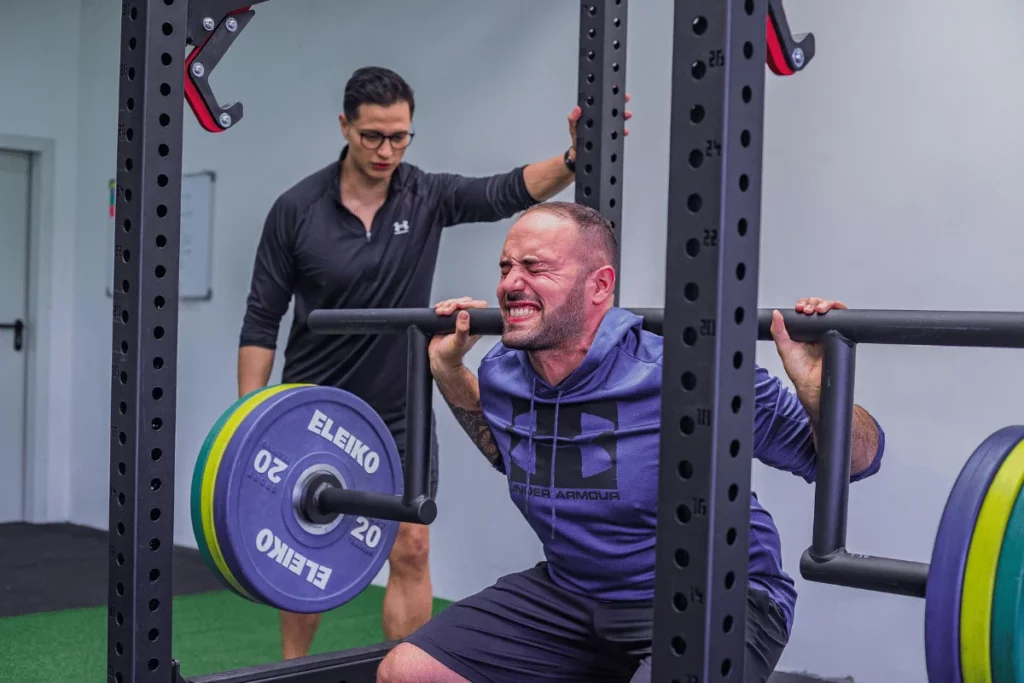
Every athlete wants to boost their strength. Here are two peptides that can help build muscle mass:
1. CJC-1295
CJC-1295 is a synthetic peptide that mimics growth hormone-releasing hormone (GHRH). It’s gaining popularity among athletes for its potential to increase muscle mass and strength.
Here’s how it works:
- Stimulates the pituitary gland to release more growth hormone (GH)
- Promotes muscle growth and protein synthesis
- Improves nutrient utilization and muscle recovery
Research on the mechanisms behind CJC-1295 shows promising results. A study published in Growth Hormone & IGF Research found[1]:
- Dose-dependent increases in GH concentrations (2 to 10 times higher) lasting six days or more
- Increases in IGF-1 concentrations (1.5 to 3 times higher) for 9-11 days
- No severe side effects reported
The effects of CJC-1295 last a while. After multiple doses, IGF-1 levels stay above baseline for up to 28 days. That’s nearly a month of potential muscle-building benefits.
Learn more about proper CJC-1295 dosing and protocols for your goals.
Third-Party Tested, 99% Purity
Order lab-verified peptides from our top recommended vendor.
2. MK-677
MK-677, also known as Ibutamoren, stimulates the pituitary gland to produce more growth hormone. It’s particularly effective at preventing muscle wasting.
Here’s what research suggests:
- Boosts production of growth hormone
- Helps build muscle mass
- Speeds up fat loss
- Prevents muscle wasting in older adults
An Annals of Internal Medicine study tested this peptide on men aged 50-70 doing leg presses for 6 months. The results showed men taking MK-677 demonstrated increased body muscle strength compared to the placebo group[2].
Bodybuilders may use MK-677 for rapid body recomposition (building muscle and burning fat simultaneously).
Check out our complete MK-677 guide for dosing and safety information.
Peptides for Endurance

Muscles won’t help much if you can’t last long in the game. These peptides can help boost stamina and endurance:
3. Thymosin Beta-4 (TB-4)
Thymosin Beta-4 is versatile in the peptide world. While it’s best known for helping with injury recovery, it also has impressive endurance-boosting properties.
Here’s what TB-4 does:
- Binds with actin to promote cell migration
- Helps form new blood vessels
- Aids in tissue regeneration
- Reduces scar formation
TB-4 can boost endurance too. A study in the Journal of Cytotherapy examined patients with acute ST-segment elevation myocardial infarction (STEMI)[3].
After six months of taking TB-4, these patients could walk an extra 37.5 meters in 6 minutes compared to the control group. The TB-4 group increased walking distance by 75.7 m compared to just 38.2 m in the control group. That’s nearly double the improvement.
These were people recovering from heart attacks. While more research is needed, this could indicate a potentially similar effect for healthy athletes.
For a deeper comparison, read our article on TB4 vs TB-500.
4. AOD-9604
AOD-9604, or Anti-Obesity Drug-9604, is a synthetic peptide based on human growth hormone. It works by:
- Stimulating the pituitary gland
- Speeding up metabolism
- Promoting faster fat loss
What does fat burning have to do with endurance? Carrying extra weight puts unnecessary strain on your cardiovascular system. Lower body fat means your heart can more easily pump oxygenated blood and nutrients to your muscles. That means better endurance.
An Australian study tested AOD-9604 on 300 obese patients daily for 12 weeks. The group taking 1mg of AOD-9604 lost an average of 2.8 kilograms (about 6.2 pounds), more than triple the weight loss of the placebo group.
AOD-9604 isn’t a magic pill. It won’t override a poor diet or lack of exercise. Think of it as a tool in your arsenal, not a replacement for healthy habits.
Learn about AOD-9604 dosing and protocols for best results.
Peptides for Recovery

You can’t perform at your best if you’re constantly nursing an injury. Here are two peptides that can help with both injury recovery and post-workout recovery:
5. BPC-157
BPC-157 stands for Body Protecting Compound 157. It’s a chain of 15 amino acids naturally occurring in our stomach juices. This peptide is powerful when it comes to healing.
Here’s what BPC-157 does:
- Promotes healing and cell regeneration
- Speeds up angiogenesis (formation of new blood vessels)
- Helps heal tendon-to-bone damage
- Speeds up recovery from musculoskeletal injuries
A Frontiers in Pharmacology review examined BPC-157’s healing effects across multiple tissue types. The research showed[4]:
- BPC-157 sped up muscle healing in animal models
- It helped restore full function faster
- It improved muscle healing even when subjects were given corticosteroids
Research on BPC-157 and tendon healing found that BPC-157 increased growth hormone receptor expression in tendon fibroblasts by up to sevenfold[5]. This increase was dose-dependent and time-dependent, suggesting enhanced tendon healing through improved growth hormone responsiveness.
These are animal studies with potentially positive implications for humans. More human research on BPC-157 still needs to be done. Consult with a healthcare professional before considering any new supplement or treatment.
Explore different forms of BPC-157 to find what works best.
6. TB-500
TB-500 is the active part of Thymosin Beta-4 that we discussed earlier. While TB-4 is a multitasker, TB-500 is laser-focused on recovery.
TB-500 works in three main ways:
- Upregulates actin, a protein that helps restore and maintain cell structure
- Promotes angiogenesis (formation of new blood vessels)
- Boosts expression of growth factors that help with healing
Animal studies on rats with transected ligaments found that those treated with TB-500 recovered their biochemical function and regrew their collagen fibers evenly[6]. The TB-500 treated rats had:
- More uniform and evenly spaced fiber bundles
- Increased collagen fibril diameters
- Better mechanical properties in the healing tissues
TB-500 isn’t just about physical healing. Research suggests it may help with pain relief. When rats were given TB-500 during pain experiments, those with more TB-500 in their system seemed to feel less pain.
These are animal studies. While they give us great clues about how TB-500 might help human athletes, we still need more research on people to know for sure.
Read our comprehensive guide on TB-500 for bodybuilding and recovery.
How to Choose the Right Peptide You Need
Consider your fitness objectives, sports demands, and current supplement usage when selecting peptides:
- Goals: Muscle gain, endurance, or recovery? Different peptides target different aspects.
- Training Phase: When not participating in tested competitions, adjust peptide choice based on goals during off-season growth phases (more muscle building) versus in-season recovery phases (enhanced healing).
- Combination Strategies: Stack multiple peptides (e.g., growth + recovery) for synergistic benefits. Check out our guide on the best peptide stacks.
- Cycling: Take breaks from using peptides after long periods to prevent their effectiveness from decreasing. Constant peptide use can make your cells’ peptide receptors less responsive over time.
- Legality & Regulations: Be aware of the legal status of peptides in your region and any restrictions imposed by athletic organizations.
The legalities might change with more research since new peptides enter the market daily.
Common Side Effects of Using Peptides for Athletes
When following medical advice on appropriate peptides and dosages, side effects are relatively rare. However, possible adverse reactions can include:
- Injection Site Reactions: Redness, pain, or swelling at the injection site
- Water Retention: Some peptides can cause temporary fluid retention
- Headaches: Particularly common with growth hormone-related peptides
- Gynecomastia: Male breast tissue growth
- Joint Pain: Can occur with rapid muscle growth
- Increased Appetite: Some peptides may stimulate hunger
- Changes in Blood Sugar Levels: Particularly with IGF-1-related peptides
Tip: Purchase peptides from reputable and tested sources to reduce contamination and quality risks.
Learn how to safely reconstitute peptides for injection.
Frequently Asked Questions (FAQs)
Are Performance-Enhancing Peptides Legal for Use in Athletic Competition?
No, the World Anti-Doping Agency (WADA) prohibits nearly all performance-enhancing peptides, including GHRPs (CJC-1295 and IGF-1 LR3) and peptide hormones. Their use in professional sports may lead to failed drug tests, scrutiny, suspensions, or competition bans.
Some peptides, like collagen and certain anti-aging peptides, are generally considered legal and safe for use in competition.
Can Peptides Be Used Alongside Other Supplements?
Yes, peptides can complement supplements like proteins, amino acids, and creatine. However, potential interactions between peptides and certain supplements are unknown, so always consult a professional before introducing any new supplement.
How Quickly Can Results Be Seen with Peptide Use?
Timelines vary based on peptide type, dose, administration method, lifestyle, and genetics.
Noticeable benefits generally can be seen within several weeks for recovery and 3-6 months for maximal muscle growth or body composition changes. Consistent usage is vital.
💡PEPTIDE PICKS: MORE TO EXPLORE
- Want to optimize recovery and muscle growth? Learn about the Wolverine Stack protocol combining BPC-157, TB-500, and growth peptides.
- Curious about cutting-edge metabolic boosters? Compare 5-Amino-1MQ vs SLU-PP-332 for fat loss and athletic performance.
- Looking for endurance-specific protocols? Check out our guide to the best peptides for endurance athletes.
The Bottom Line
Peptides offer potential benefits for athletic performance, from muscle growth to faster recovery. They work through various mechanisms to support your training goals.
As with any performance-enhancing strategy, peptides should complement (not replace) proper training, nutrition, and recovery practices. Your health and long-term wellbeing should always be the top priority.
Consult with healthcare professionals, stay informed about the latest research, and make decisions that align with your personal goals and values.
References
- 1. Kanaley JA, Frystyk J, Møller N, Dall R, Chen JW, Nielsen SC, et al. The effect of submaximal exercise on immuno- and bioassayable IGF-I activity in patients with GH-deficiency and healthy subjects. Elsevier BV; 2005. https://doi.org/10.1016/j.ghir.2005.06.001
- 2. Nass R, Pezzoli SS, Oliveri MC, Patrie JT, Harrell FE, Clasey JL, et al. Effects of an Oral Ghrelin Mimetic on Body Composition and Clinical Outcomes in Healthy Older Adults. American College of Physicians; 2008. https://doi.org/10.7326/0003-4819-149-9-200811040-00003
- 3. Zhu J, Song J, Yu L, Zheng H, Zhou B, Weng S, et al. Safety and efficacy of autologous thymosin β4 pre-treated endothelial progenitor cell transplantation in patients with acute ST segment elevation myocardial infarction: A pilot study. Elsevier BV; 2016. https://doi.org/10.1016/j.jcyt.2016.05.006
- 4. Seiwerth S, Milavic M, Vukojevic J, Gojkovic S, Krezic I, Vuletic LB, et al. Stable Gastric Pentadecapeptide BPC 157 and Wound Healing. Frontiers Media SA; 2021. https://doi.org/10.3389/fphar.2021.627533
- 5. Chang CH, Tsai WC, Hsu YH, Pang JH. Pentadecapeptide BPC 157 Enhances the Growth Hormone Receptor Expression in Tendon Fibroblasts. MDPI AG; 2014. https://doi.org/10.3390/molecules191119066
- 6. Xu B, Yang M, Li Z, Zhang Y, Jiang Z, Guan S, et al. Thymosin β4 enhances the healing of medial collateral ligament injury in rat. Elsevier BV; 2013. https://doi.org/10.1016/j.regpep.2013.03.026