

[Disclaimer: The information provided in this article is for general informational purposes only. It should not be relied on to determine appropriate care in any specific case. It is not intended to diagnose, treat, cure, or prevent any disease.]
If you’re serious about skincare and anti-aging, you’ve probably noticed the complicated ingredient names on product labels.
Every ingredient claims to work wonders for your skin, from hyaluronic acid to niacinamide, retinol to retinoids, and collagen to ceramides and peptides.
While they’re all helpful in their own way, it’s hard to know which ones you really need.
Today, let’s talk about two substances you’ve seen most often: peptides and retinol. We’ll look at what makes them special and help you decide if they’re worth adding to your daily routine.
TL;DR – Peptides vs. Retinol
Short on time? Here’s a quick comparison of peptides and retinol:
| Peptides | Retinol |
| Small proteins that act like messengers, telling your skin to make more collagen and repair itself. | A form of vitamin A that speeds up skin cell turnover and helps your skin make more collagen. |
| Pros | Pros |
| Gentle on skin Suitable for sensitive skin Mimics natural peptides in your body Work well with other ingredients Help improve skin firmness Has other uses than skincare benefits | Proven anti-aging benefits Helps with acne Improves skin cell turnover Reduces hyperpigmentation Strong scientific backing |
| Cons | Cons |
| Results may take longer Less research compared to retinol Can be expensive Effects might be more subtle | Can cause irritation It makes skin more sun-sensitive Not suitable for pregnant women Requires careful introduction |
| Best For | Best For |
| If you have sensitive skin, are just starting your anti-aging journey, or want a gentler approach to skincare, peptides are your best bet. They’re also great if you’re looking for preventive care or if retinol is too harsh for your skin. | Retinol is perfect if you want more dramatic results and your skin can handle stronger ingredients. You’ll love it if you’re dealing with visible signs of aging acne or want to improve your skin texture and tone. |
What Are Peptides?
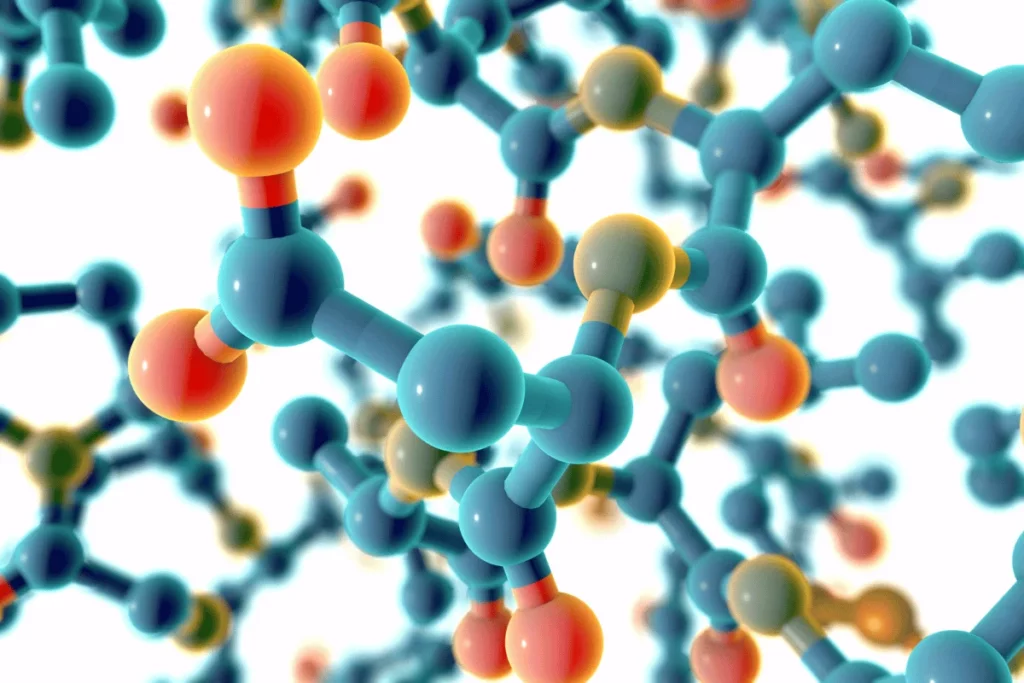
Peptides are tiny chains of amino acids (messenger proteins) that contain no more than 2-50 residues.
While that might sound complicated, here’s what it means for you: they’re small enough to get into your skin and do their job, unlike larger proteins that just sit on the surface.
The FDA has already approved over 100 peptide-based drugs, with many more being studied right now. That’s how promising these little molecules are!
Here’s how peptides work their magic on your skin:
- They help prevent your existing collagen from breaking down
- They stimulate your skin cells to reproduce (called “cell proliferation”)
- Some can even help relax facial muscles to reduce wrinkles (similar to how Botox works, but much gentler)
When we talk about peptides in skincare, you’ll often hear about these popular ones:
- Matrixyl (Palmitoyl Pentapeptide-4): Studies have shown that it can help smooth out fine lines and make skin bouncier by improving its elasticity.
- Argireline (Acetyl Hexapeptide-3): This is often called “Botox in a bottle.” While not as powerful as Botox, it can temporarily help relax facial muscles that cause expression lines.
- Copper Peptides (GHK-Cu): These are the multitaskers of the peptide world. They help make collagen, protect your skin from damage, expedite hair growth, and even help with healing. They might also help with things like wound healing and DNA repair.
Here’s something important to note: peptides aren’t just for skincare.
In fact, there’s a whole world of peptides out there for everything – peptides for energy boosting, peptides for athletic performance, peptides for fat loss (such as AOD-9604 peptide), peptides for tendon repair, and so on!
However, for our comparison with retinol, we’re focusing specifically on those that help with skin health and anti-aging.
What Do Peptides Do for Skin?
When applied topically, the amino acids in peptides send signals to influence skin cells, stimulating helpful processes like:
- Collagen Production: Peptides boost collagen levels to strengthen, plump, and firm the skin. Collagen is your skin’s support structure.
- Elastin Synthesis: They support elastin fibers that allow the skin to snap back into place and retain shape.
- Healing and Regeneration: Certain peptides aid wound closure and skin recovery.
- Strengthen Skin Barrier: Peptides help maintain a strong skin barrier, keeping moisture in and irritants out.
- Antioxidant Defense: Some provide antioxidant benefits to counter skin damage from UV and other factors.
- Reduce Inflammation: Many peptides have anti-inflammatory properties that can help calm sensitive or irritated skin.
Through these mechanisms, peptides have been shown to:
- Reduce the appearance of fine lines and wrinkles
- Increase skin elasticity and firmness
- Improve skin texture and smoothness
- Protect from oxidative stress and photoaging
The results can take 2-3 months, but they may restore youthful-looking, resilient, and healthy skin over time.
Third-Party Tested, 99% Purity
Order lab-verified peptides from our top recommended vendor.
How to Use Peptides in Your Routine
Different peptides serve unique functions in skin care:
- Copper peptides help boost healing
- Collagen peptides improve skin elasticity
According to a 2016 clinical research, both oral and topical collagen peptides can significantly improve skin parameters.
After consistent use, they were shown to reduce wrinkle volume by 55.8% and depth by 32.8%.
Let’s see how to incorporate these powerful ingredients into your skincare routine effectively:
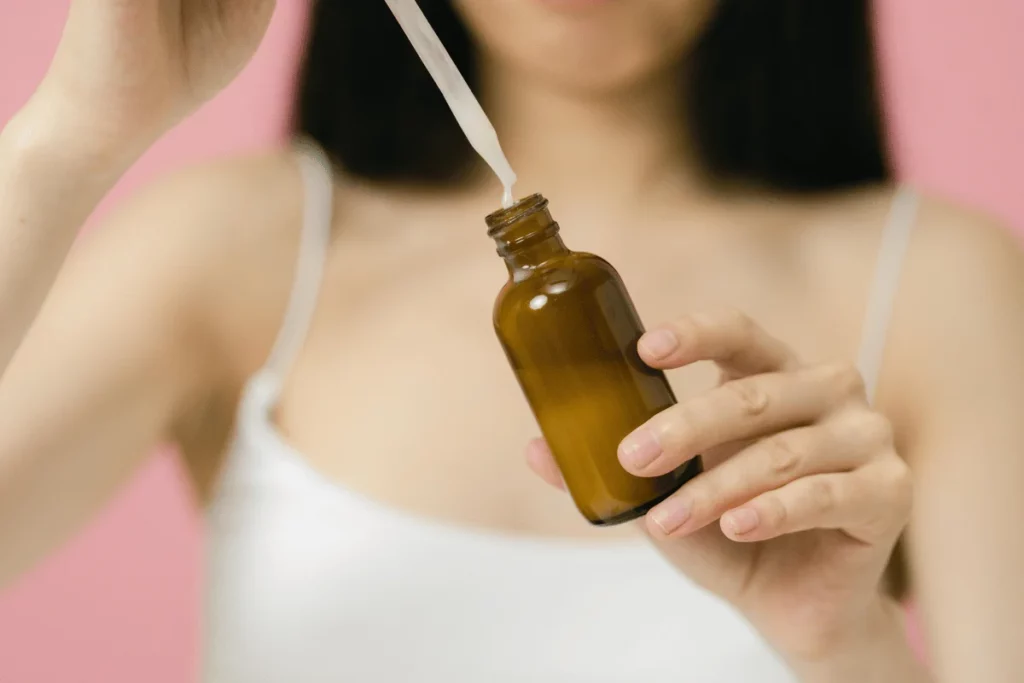
- Use a Dedicated Serum: Look for serums containing GHK-Cu (glycyl-l-histidyl-l-lysine copper peptide) in the first few ingredients. Even at low concentrations (0.01-1 nM), this peptide increases the production of essential skin proteins like elastin and collagen. Apply 2-3 drops to clean dry skin morning and night.
- Choose Effective Delivery Systems: Liposomes, especially nano-sized ones, significantly improve peptide penetration through the skin barrier. Marine fish collagen is excellently biocompatible and bioavailable in the human gastrointestinal system, making it ideal for oral collagen supplements.
Clinical trials on women showed that when applied twice daily for 12 weeks, GHK-Cu creams significantly improved:
- Skin density and thickness
- Skin clarity and firmness
- Fine lines and wrinkle depth
- Overall skin appearance
- Be Consistent but Start Slowly: Start using peptides 2-3 times weekly. The most dramatic improvements in skin structure occur during consistent 12-week usage periods. Research shows benefits with oral collagen supplements, with daily doses ranging from 2.5g to 10g over 8-12 weeks.
- Protect Your Investment: GHK-Cu helps protect skin cells from UV damage, but you should still apply SPF 30+ daily. This peptide works to repair photodamage and reduce dark spots, but prevention is key.
Peptides are beneficial for all skin types. However, if you have aging or damaged skin, peptides may provide the most dramatic results due to their ability to reset skin cell function to a healthier state.
Potential Side Effects of Peptides
One of the biggest advantages of peptides is their gentle nature. Side effects are rare but may include:
- Mild skin sensitivity
- Temporary redness
- Itching (uncommon)
- Rash (very rare)
These effects are mostly transient and subside with continued use. Start slowly and discontinue use if irritation persists.
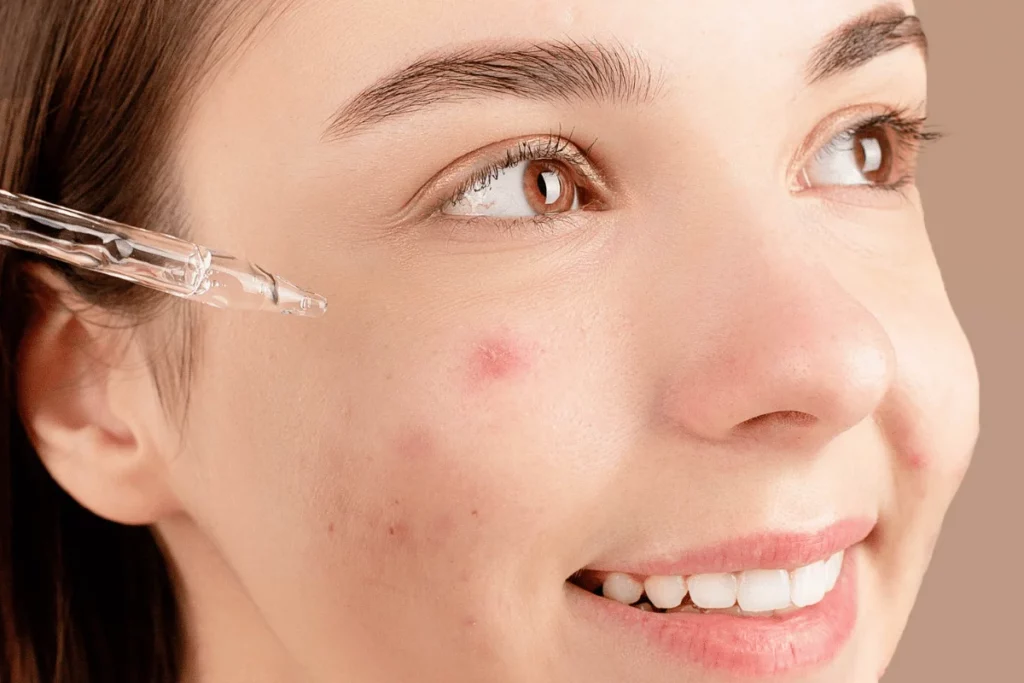
What Is Retinol?
Retinol is a vitamin A derivative and the over-the-counter form of prescription retinoids.
Once converted to retinoic acid in the skin, it binds to receptors that communicate with genes to influence cellular processes.
Unlike peptides, retinol is not naturally present in the body. Topical application enables it to penetrate the skin for targeted effects.
As it stimulates collagen and new skin cell turnover, retinol retexturizes skin and treats visible aging signs. It also clears pores and has anti-inflammatory activity.
What Does Retinol Do for Skin?
Scientific research has consistently shown that retinol is a powerful tool for improving skin appearance. It causes skin cells to multiply faster (“epithelial cell proliferation”).
Here’s what retinol can do for your specific skin concerns:
- Goodbye Acne: Your skin is constantly shedding dead cells and making new ones. Retinol helps speed up this process, preventing dead cells from clogging your pores and causing breakouts. It also helps calm inflammation in your skin, which is excellent for dealing with angry, red acne spots.
- Wrinkle Fighter: Retinol helps protect your skin’s collagen from breaking down. It blocks specific enzymes called matrix metalloproteinases (MMPs) that usually break down collagen. As a result, those fine lines and wrinkles become less noticeable.
- Skin Tone Perfecter: Retinol helps fade those pesky dark spots and even out your overall skin tone by encouraging your skin to produce fresh, new cells more quickly. A 12-week clinical study published in Skin Pharmacology and Physiology (2020) found that 0.3% and 0.5% retinol serums significantly improved skin hyperpigmentation, unevenness, and overall skin tone. The 0.5% formula showed more noticeable results but also caused slightly more irritation.
Over time, you’ll likely notice your skin feeling smoother and more radiant, especially after 8-12 weeks of consistent use.
Interestingly, while retinol is gentler on your skin than prescription-strength retinoids (like tretinoin), it’s also about 10 times less potent.
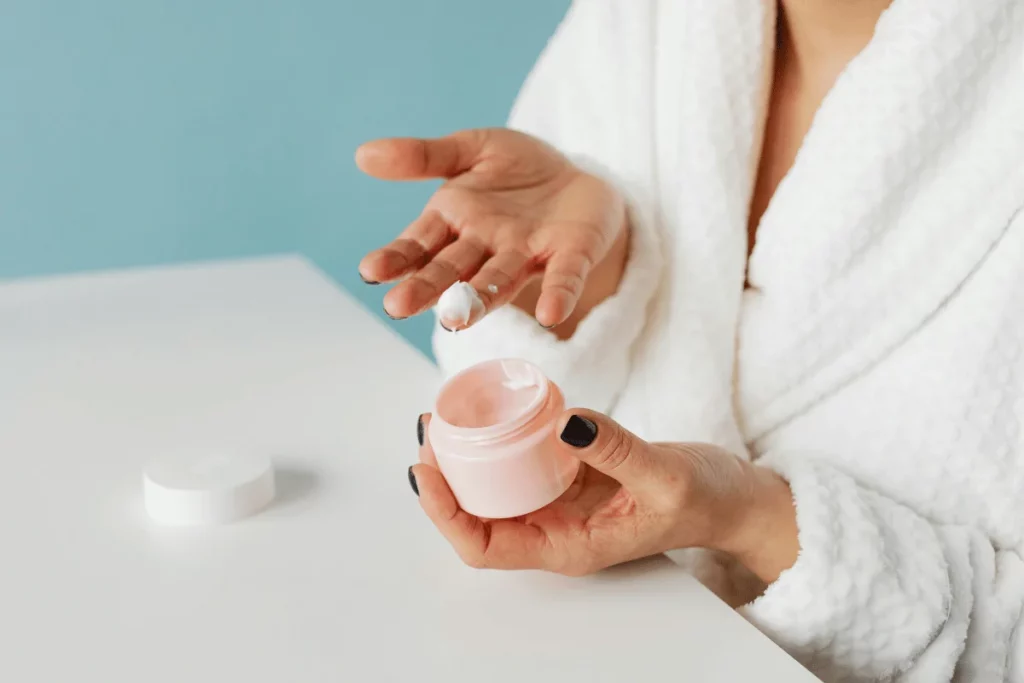
How to Use Retinol in Your Routine
To effectively yet safely reap retinol’s anti-aging power:
- Start Low: Begin with an over-the-counter 0.3-0.5% retinol cream or serum.
- Go Slow: Apply once or twice a week for a month, then increase to 2-3x a week, gradually working up to daily/every other day use.
- Buffer Retinol: Mix a pea-sized amount with your moisturizer to minimize irritation, especially at first.
- Use at Night: Apply retinol only before bedtime unless you are wearing SPF 30+ sunscreen during the day.
- Moisturize After: Follow retinol with a nurturing moisturizer to combat potential dryness.
Note: Avoid retinol use during pregnancy/breastfeeding or with sensitivity to vitamin A derivatives.
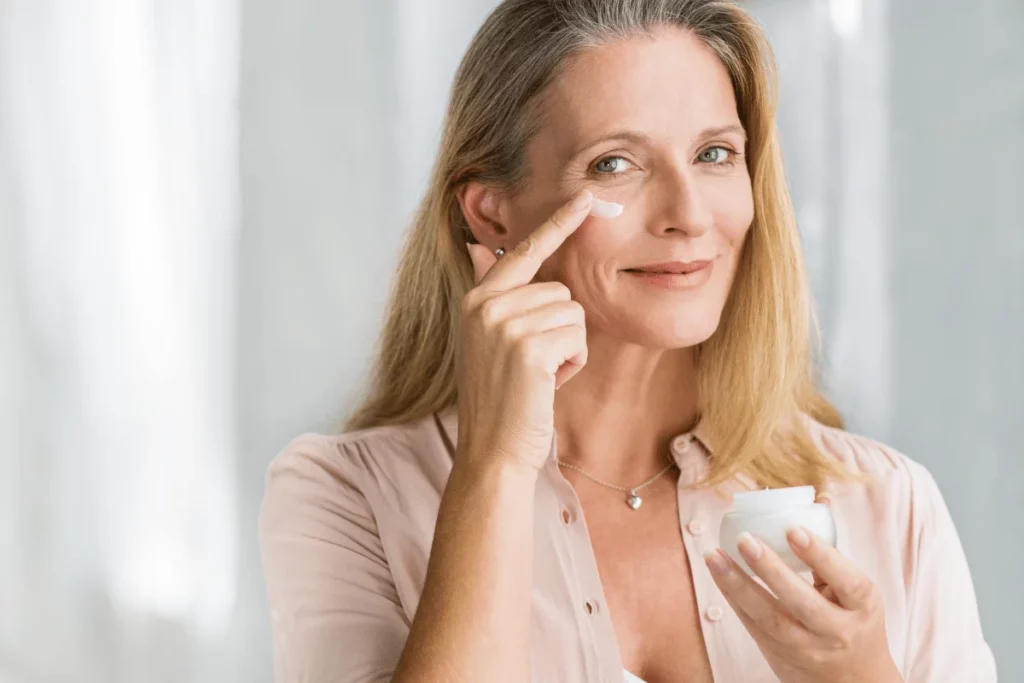
Potential Side Effects of Retinol
Retinol has earned FDA approval and is considered safe, but it’s not without its quirks.
Most people experience some initial reactions when starting retinol, particularly dryness and irritation.
Here’s what you might notice in the first few weeks:
- Redness that looks like a mild sunburn
- Itching sensations
- Skin peeling or flaking
Don’t worry—these are normal! To make your retinol journey more comfortable, here’s a pro tip: start using it once every two or three nights. As your skin gets used to it, you can slowly work up to nightly use.
Research shows less than 10% of retinol users experience more serious side effects:
- Sudden acne breakouts
- Flare-ups of eczema if you’re prone to it
- Changes in skin color (usually temporary)
- Increased sensitivity to sunlight (this is why dermatologists insist on sunscreen!)
- Blistering (in rare cases)
- Stinging sensations
- Swelling around the application area
Wait about 30 minutes after washing your face before applying your retinol. This gives your skin barrier time to normalize and can help minimize potential irritation.
Here’s another heads-up: using multiple retinol products simultaneously can increase your risk of side effects.
You’ll want to carefully check the ingredient labels, especially if you’re using various anti-aging or acne products—they often contain retinol without advertising it prominently.
Peptides vs. Retinol Head-to-Head
Let’s break down how these two ingredients stack up against each other in different aspects of skincare performance and usability:
| Aspect | Peptides | Retinol |
| Mechanism | Signals skin cells to produce collagen | Increases cell turnover and stimulates collagen |
| Formulations | Lightweight serums; Moisturizers; Creams | Serums; Moisturizers; Spot treatments |
| Main Benefits | Anti-aging via increased collagen/elastin; Skin firming and elasticity | Cell turnover for retexturizing; Collagen stimulation; Skin lightening |
| Appearance Effects | Plumps, firms; Reduces wrinkles; Smooths skin | Smooths wrinkles; Brightens skin; Lightens pigmentation; Clears acne |
| Strength | Gentle, gradual results | More powerful, faster results |
| Side Effects | Minimal to none | Can be significant |
| Sun Sensitivity | No increased sensitivity | Makes skin more sun-sensitive |
| Usage Time | Morning or night | Night only |
| Pregnancy Safety | Generally considered safe | Not recommended |
| Price Range | Moderate to expensive | Varies widely |
| Results Timeline | 8-12 weeks | 4-12 weeks |
Similarities and Differences
Let’s see what makes them similar and what sets them apart:
Peptides and Retinol Similarities
Peptides and retinol share a few key commonalities:
- Increase Collagen Production: Both peptides and retinol boost collagen levels, leading to firmer, more youthful-looking skin over time.
- Have a Risk of Irritation: While mild, peptides and retinol can both potentially cause some skin redness, flaking, or dryness. This is usually worse with retinol.
- Offer Anti-Aging Effects: Through their ability to support collagen and influence other skin processes, peptides, and retinol smooth wrinkles and promote skin rejuvenation.
In a broad sense, both can strengthen skin and reduce aging signs. However, they approach this quite differently.
Peptides and Retinol Differences
Despite having some shared upsides, peptides, and retinol also differ markedly:
- Potency: Retinoids, such as retinol, offer more dramatic anti-aging effects than peptides, but as a trade-off, they commonly irritate the skin.
- Exfoliation: Retinol accelerates cell turnover to reveal fresh new skin, while peptides don’t exfoliate.
- Mechanism: Peptides use chemical messaging to prompt collagen synthesis, whereas retinol directly binds receptors to affect gene expression.
- Natural Presence: Skin naturally contains peptides but not retinol; the latter is purely a supplemental topical addition.
- Research: Retinol has decades more clinical research demonstrating efficacy than the emergent peptide category.
- Pregnancy: Peptides lack sufficient safety data for use in pregnancy, whereas retinoids are strictly contraindicated.
Choosing Between Peptides and Retinol
Peptides are a safer alternative to retinol.
If you’re looking for anti-aging peptides that offer benefits without irritation, Matrixyl and copper peptides are excellent choices, particularly for dry, sensitive skin.
People in their 20s-30s may favor peptides for the prevention and early treatment of fine lines.
However, retinol’s proven potency makes it the superior choice for treating moderate to advanced aging signs, such as deep wrinkles and dark spots, in users who can tolerate its side effects.
Retinol also adds pore-clearing acne treatment that is absent for peptides.
Consider these factors when making your peptides vs. retinol choice:
- Skin Sensitivity: If you have sensitive skin, start with peptides.
- Skin Concerns: For acne or significant aging signs, retinol might be better.
- Timeline: Need faster results? Retinol typically works more quickly.
- Tolerance: If you can’t tolerate retinol, peptides are a great alternative.
- Lifestyle: Consider sun exposure and the complexity of your skincare routine.
Can You Use Peptides and Retinol Together?
Yes, you can use both ingredients in your routine! In fact, they can complement each other well.
Peptides can help support skin barrier function, while retinol works on cell turnover.
Introduce them gradually and monitor your skin’s response.
Peptides Before or After Retinol?
Within a single routine, apply retinol first followed by peptides. Retinol needs direct contact with the skin for adequate absorption and conversion into active retinoic acid.
Applying peptides first forms a barrier that inhibits retinol penetration.
So cleanse your face, apply retinol, and let it dry thoroughly. Then, follow with peptides and, finally, a moisturizer to seal in the effects.
Using them at alternate routines (peptides AM, retinol PM) also works well. Just don’t layer peptides over unabsorbed retinol or vice versa.

Frequently Asked Questions (FAQs)
Let’s address some common questions about these popular skincare ingredients:
How Long Does It Take to See Results with Retinol vs. Peptides?
Peptides may show improvements in 2-3 months. However, Retinol typically works faster, requiring just 4-12 weeks of regular use to reveal visible anti-aging effects.
However, peptides provide gradual, cumulative benefits that amplify over longer periods of consistent application.
Which Is Better for Anti-Aging: Peptides or Retinol?
Most dermatologists deem prescription-strength retinoids (like tretinoin) the most potent anti-aging ingredients.
OTC (over-the-counter) retinol comes in second.
Peptides might be a better non-prescription option for those who cannot tolerate retinol or prefer a gentler approach.
What Ingredients Should I Avoid Using with Peptides and Retinol?
For peptides, avoid alpha hydroxy acids (AHAs, like glycolic acid) and benzoyl peroxide, as these can break down peptides and deactivate them.
With retinol, steer clear of vitamin C, AHAs, and BHAs (like salicylic acid) in the same application, as they can make retinol less effective or increase irritation.
If you want to use these ingredients, try applying them at different times of day—for example, vitamin C in the morning and retinol at night.
Conclusion
To sum up, peptides and retinol are two very popular ingredients that can help achieve younger-looking, healthy skin. Although they work differently, both can make skin smoother and firmer by reducing wrinkles.
However, retinol is more potent, so it gives quicker, better results. It also causes redness, dry skin, and sun sensitivity, which gentle peptides usually don’t cause.
To conclude, peptides are best for delicate, younger skin needing preventative care. Retinol suits those wanting dramatic improvement in advanced aging signs—if they can handle the side effects.
Whatever you choose, consistency is key to seeing results. Always patch-test new products and remember to wear sunscreen daily, especially when using retinol.